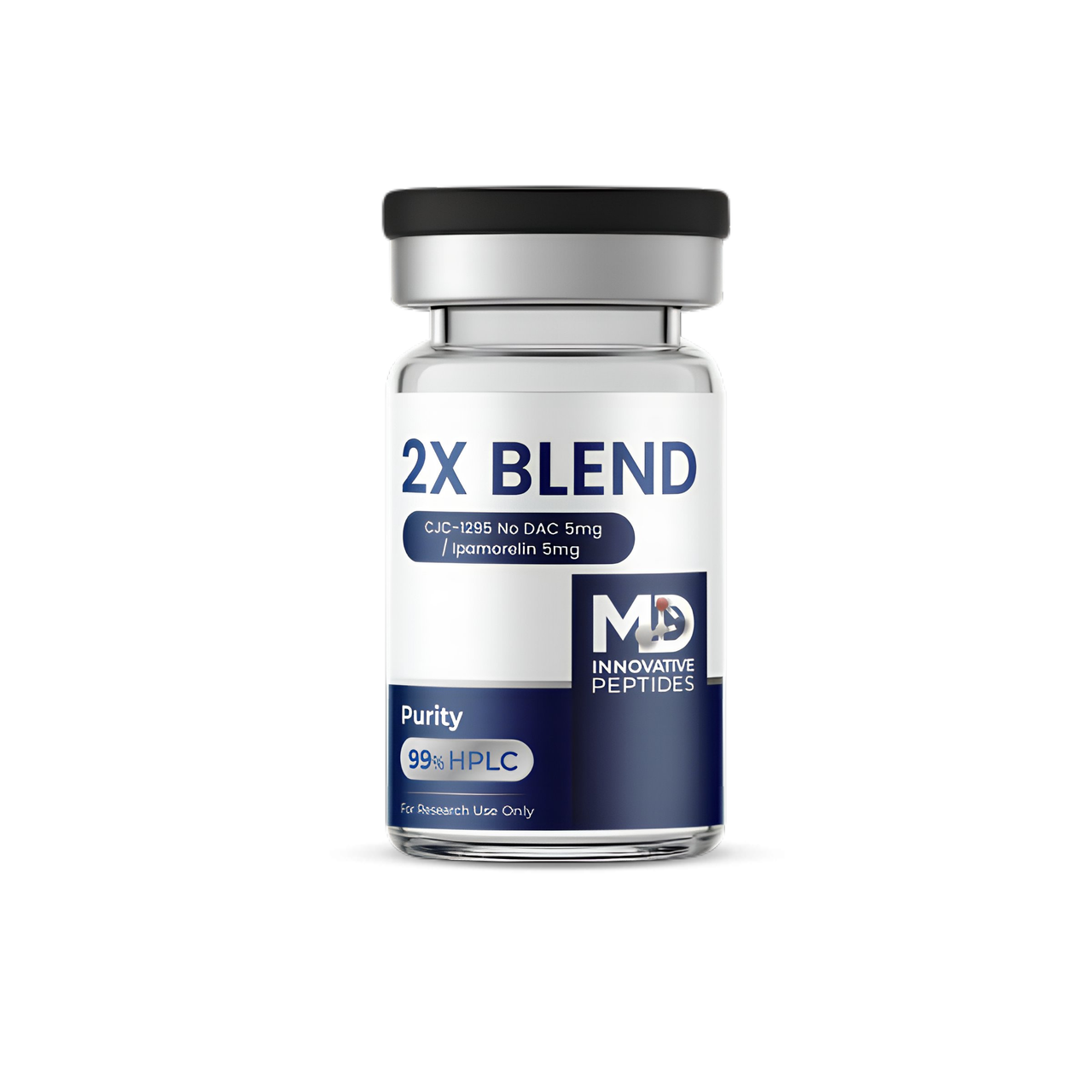
A supplier can provide a polished specification sheet and still introduce uncertainty into a study. This is why laboratories qualify suppliers through documented evidence, not product claims alone. For research materials such as peptides, the question is not simply whether a supplier can ship a requested compound. It is whether that supplier can consistently establish material identity, control contamination risk, preserve traceability, and provide records that support repeatable work.
Supplier qualification is a risk-based quality process. The depth of review should match the material’s intended research use, the potential impact of a failure, the supplier’s history, and the availability of independent verification. A commonly available, low-risk laboratory consumable may require a lighter review than a peptide or reference material used in a sensitive in vitro method.
Start With a Defined Material Requirement
Qualification begins before a laboratory contacts a supplier. The procurement, quality, and scientific teams should define what the material must meet for its intended application. Without those requirements, supplier review becomes subjective and price can receive more weight than it deserves.
For a research peptide, a material requirement may include the expected sequence or molecular identity, minimum purity threshold, net peptide content or assay quantity, acceptable counterion, storage conditions, and packaging format. It should also establish the required testing panel, such as identity confirmation, chromatographic purity, heavy-metal screening, microbial testing, and yeast-and-mold testing where applicable.
The laboratory should also define documentation expectations. At minimum, this often includes a batch-specific Certificate of Analysis, lot number, test date, expiration or retest information when applicable, and a clear link between the document and the material received. A generic certificate that is not tied to the supplied lot has limited value in a controlled procurement process.
This stage creates an acceptance standard. It allows the laboratory to evaluate suppliers against the same criteria instead of relying on marketing language, informal assurances, or a single prior purchase.
How Laboratories Qualify Suppliers Through Risk Review
A risk review determines how much evidence a laboratory needs before approving a supplier. The review should consider the consequences of an incorrect identity, low purity, contamination event, delayed shipment, or missing documentation. It should also account for whether the supplier is a manufacturer, distributor, broker, or a reseller with limited visibility into the upstream source.
For higher-risk materials, laboratories often examine whether the supplier maintains controlled sourcing, quarantine procedures, defined release criteria, and documented handling practices. They may ask how incoming materials are segregated from released materials, whether testing is performed by an independent laboratory, and who has authority to review results and release a lot for sale.
A useful risk review also considers supply continuity. A supplier may meet analytical requirements while still presenting procurement risk if lot changes are poorly communicated, domestic fulfillment is unreliable, or records cannot be retrieved when a deviation is investigated months later.
The goal is not to demand the same level of oversight from every supplier. It is to apply enough control to the material and research context. A laboratory running exploratory work may accept a different risk profile than one maintaining a validated in vitro workflow with long-term comparative data.
Review Documentation Before Approving the Supplier
Documentation is where a supplier’s quality system becomes visible. Laboratories should request and review records before a purchase is considered qualified, particularly for materials that can affect assay performance or comparability between studies.
A batch-specific COA should identify the material clearly and include the batch or lot number. It should state the analytical methods used, report the actual result for each tested attribute, and show whether results meet the stated specification. A purity result without a method, a date, or a lot identifier does not provide the same level of assurance as a complete analytical record.
The laboratory should verify that the COA is internally consistent. The product name, batch number, date, and reported quantity should align with the product label and purchase documentation. Results should be plausible for the material and expressed in a manner that allows evaluation. For example, a reported purity percentage is more useful when paired with the method used to determine it, such as HPLC or LC-MS.
For peptide materials, identity confirmation deserves particular attention. A purity percentage alone does not prove that the expected compound is present. Identity testing, molecular-weight confirmation, and defined analytical methods help distinguish a documented research material from one supported only by a generic claim.
Laboratories may also request quality-system information appropriate to the supplier relationship. This can include a description of sourcing controls, test-laboratory qualifications, change-notification practices, record retention, complaint handling, and procedures for managing nonconforming material.
Assess Analytical Capability and Testing Scope
Testing should match the risk of the material, not follow a one-size-fits-all checklist. The key question is whether the supplier’s analytical program can detect the failure modes that matter to the laboratory’s intended work.
For many research-grade peptides and support compounds, a meaningful review may include identity testing, purity analysis, assay or net peptide content, and contamination screening. Depending on the material, the following records may be relevant:
- Identity confirmation through an appropriate analytical method, such as mass spectrometry
- Chromatographic purity results with a stated method and acceptance criterion
- Assay quantity or net peptide content, when relevant to experimental preparation
- Heavy-metal screening with reported limits and results
- Microbial, yeast, and mold testing when biological contamination presents a meaningful risk
No individual test replaces the others. A highly pure chromatographic profile does not answer every identity or contamination question. Likewise, a passing microbial result does not establish sequence accuracy or chemical purity. The appropriate panel depends on the material, its form, the laboratory environment, and the sensitivity of the downstream assay.
Independent testing can add a valuable layer of accountability, especially when test reports are reviewed before release rather than supplied only after a customer requests them. At MD Innovative Peptides, materials are sourced from qualified suppliers, placed in quarantine, independently tested, internally reviewed, and batch released before they are accompanied by batch-specific COAs. This sequence separates receipt from release and makes the quality process easier to evaluate.
Verify the First Lots, Not Just the Supplier File
Supplier qualification does not end when a questionnaire is complete or a COA is approved. Laboratories need an incoming verification process for initial lots and, in many cases, for each subsequent lot.
At receipt, personnel should inspect packaging condition, label accuracy, lot identifiers, quantity, and storage requirements. The lot number on the container should match the COA and purchasing records. Any discrepancy should place the material on hold until it is investigated and resolved.
For higher-risk materials, laboratories may perform confirmatory testing on initial lots or use a qualified third party to do so. This is particularly useful when a material will support a critical method, establish a baseline dataset, or be used across multiple studies. Confirmatory testing has a cost, so it is often reserved for materials where an undetected failure would create substantial rework or compromise research interpretation.
A supplier can be qualified while a specific lot is rejected. Those are separate decisions. Supplier qualification evaluates whether the supplier’s system is capable of meeting requirements over time. Lot release evaluates whether the individual batch in hand meets those requirements now.
Monitor Approved Suppliers Over Time
Approval should have a review date and a clear basis for continued qualification. Supplier performance can change because of manufacturing changes, new raw-material sources, laboratory changes, shipping conditions, or incomplete documentation practices.
Laboratories should track meaningful performance data, including COA completeness, lot-to-lot consistency, deviations, delivery performance, complaint trends, responsiveness to technical questions, and the timeliness of change notifications. A supplier that consistently delivers acceptable material with complete records requires less corrective attention than one whose documentation must be repeatedly chased or corrected.
Periodic requalification may involve a record review, updated quality questionnaire, review of recent test panels, or an audit for higher-risk relationships. If a supplier introduces a new manufacturing site, changes an analytical method, or cannot provide traceable lot records, the laboratory should reassess the supplier’s approved status.
Disqualification should also be defined in advance. Repeated documentation discrepancies, unexplained analytical failures, lack of cooperation during an investigation, or failure to notify customers of meaningful changes may justify suspension or removal from the approved supplier list.
Keep the Decision Traceable
A qualification file should tell a complete story: what the laboratory required, what evidence the supplier provided, who reviewed it, what risk level was assigned, and why the supplier was approved, conditionally approved, or rejected. This record supports internal accountability and gives future personnel a clear basis for procurement decisions.
The strongest supplier relationships are built on this same discipline. When a supplier can show how materials are sourced, tested, reviewed, and released at the batch level, researchers spend less time reconciling uncertainty and more time evaluating data that can stand on its own.