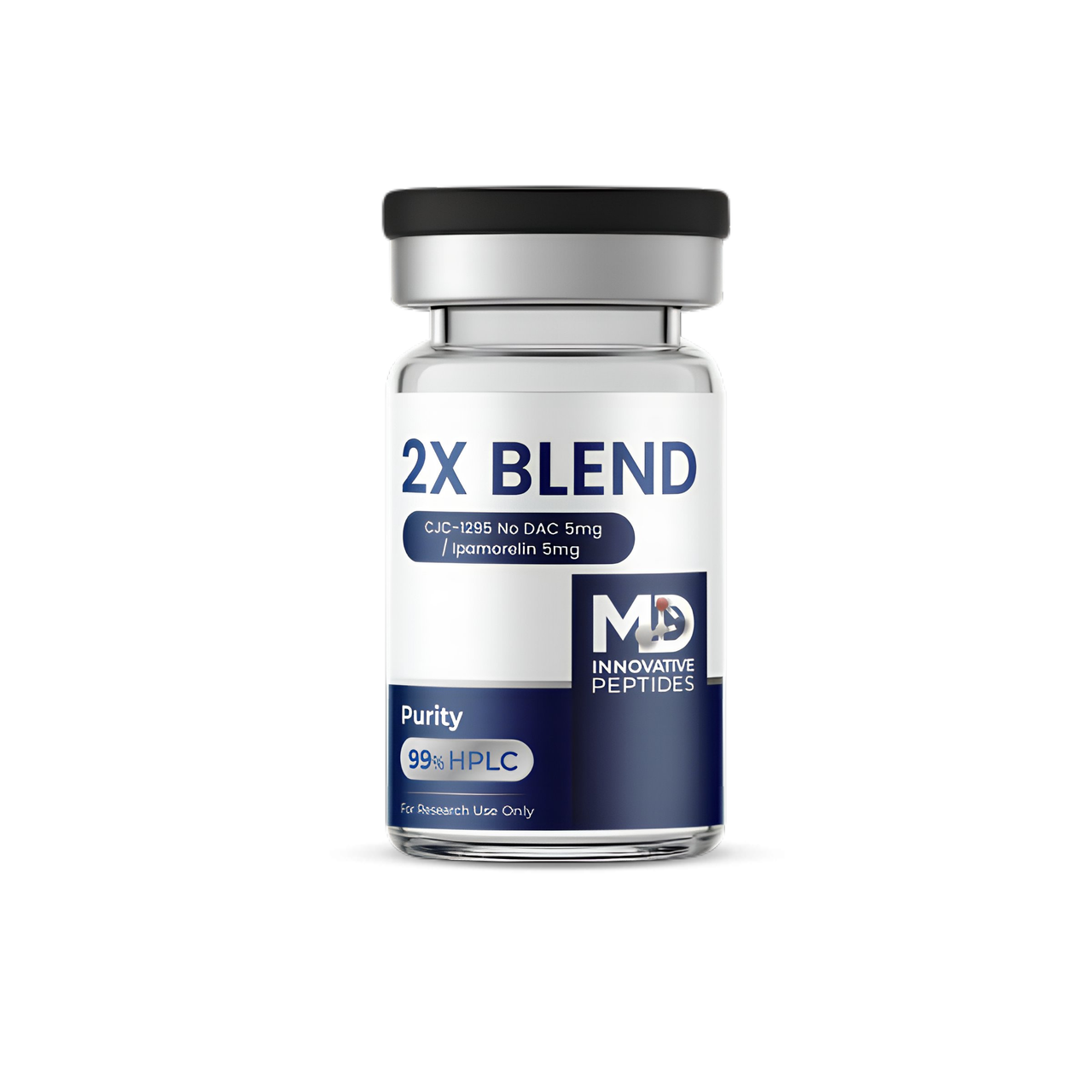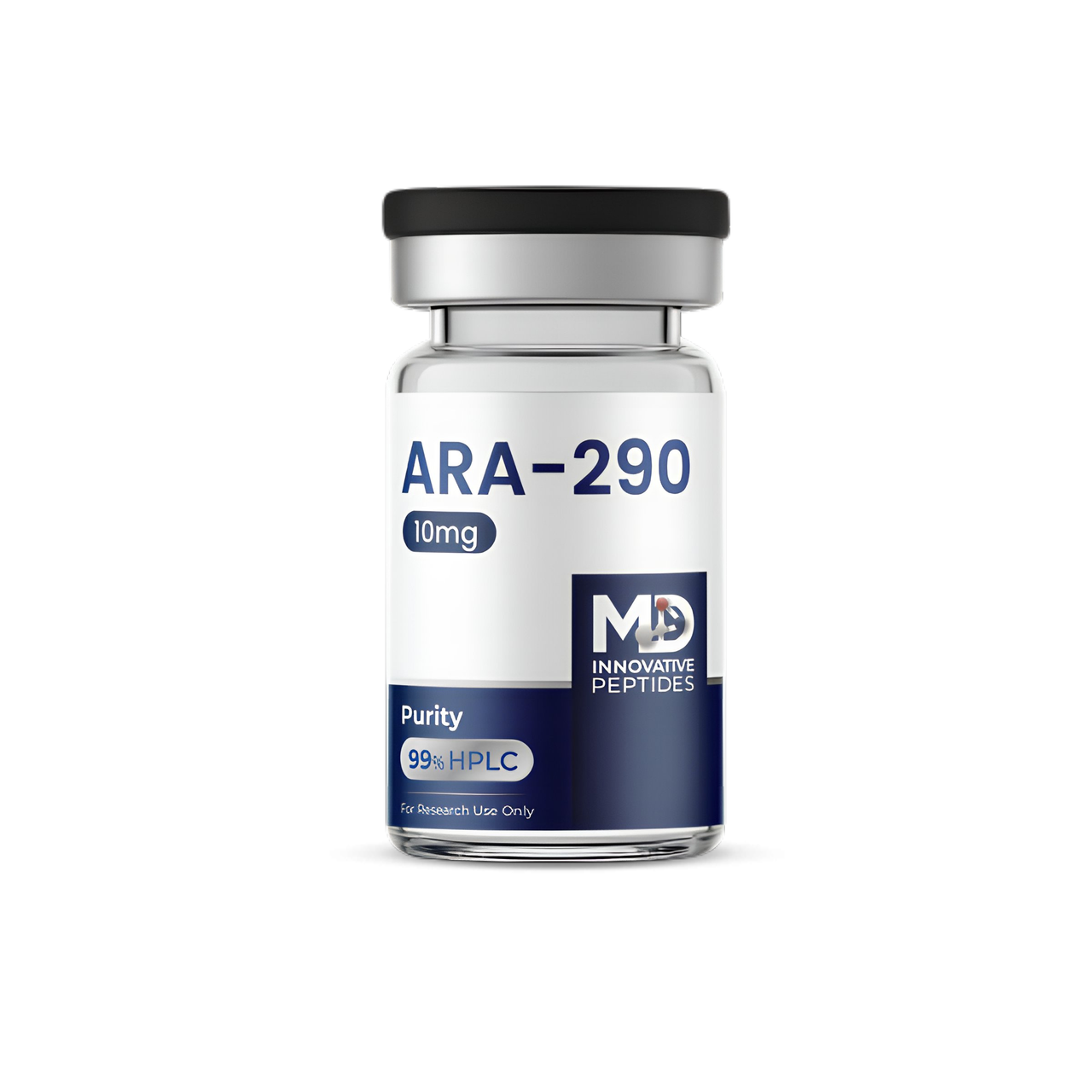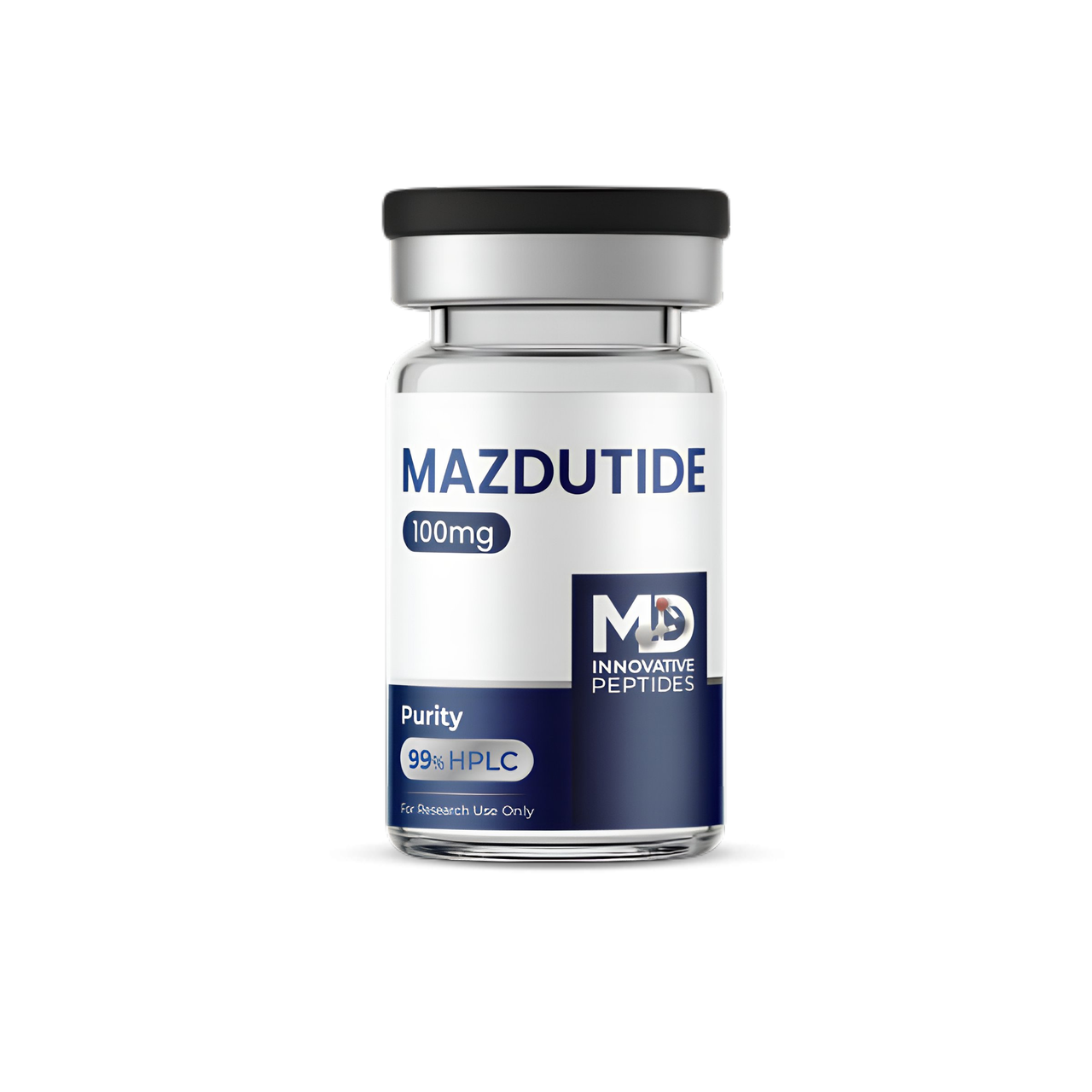
A peptide vial can carry a clear label, a stated purity percentage, and a Certificate of Analysis, yet still leave a laboratory with unanswered questions if those items cannot be connected to the same controlled batch record. Peptide batch traceability is the system that makes those connections visible. It links a material from supplier qualification and receipt through analytical testing, internal release, fulfillment, and the documentation retained by the receiving laboratory.
For in vitro research, that chain is not administrative overhead. It is part of the material record required to interpret experimental work, investigate unexpected results, and maintain consistency across repeat orders. A batch number is useful only when it leads to defined evidence.
What Peptide Batch Traceability Records Prove
Traceability does not prove that a peptide will produce a particular research outcome. It establishes something more fundamental: that the laboratory can identify the specific material used and review the quality controls applied to that material. This distinction matters. Analytical documentation supports decisions about material suitability; it does not convert a research-use-only material into a drug, diagnostic, or clinical product.
A complete traceability record answers a practical set of questions. What material was received? Who supplied it? Which batch was tested? What methods and specifications were applied? Who reviewed the results? Which released batch was shipped to the customer? When these records agree, a laboratory has a defensible basis for associating its work with a known input material.
The terminology should be controlled as well. Some organizations use “lot” and “batch” interchangeably, while others assign separate meanings based on manufacturing or packaging stages. The label itself matters less than consistency. The identifier on the vial, product label, Certificate of Analysis, packing documentation, and internal inventory record should point to the same defined unit of material.
Identity begins before analytical release
The traceability chain begins with source control. Materials should be acquired from qualified suppliers under documented purchasing and receiving procedures. At receipt, the organization needs to preserve the supplier identifier, material name, assigned batch number, quantity, receipt date, and any accompanying documentation.
Quarantine is an essential control at this stage. Material awaiting review should not be treated as released inventory simply because it has arrived. Separating received material from approved stock reduces the risk that an unreviewed or incorrectly identified item enters fulfillment or laboratory use.
For peptide materials, identity is not a label claim alone. Identity testing and supporting analytical data are used to determine whether the received material corresponds to the specified peptide. The appropriate technique depends on the material and the laboratory’s quality program, but the governing principle remains constant: the test result must be attributable to the exact batch being evaluated.
Testing results require context
Purity results are often the first figure a buyer reviews, and for good reason. A stated purity percentage provides a useful data point for comparing research materials. It should not, however, be read in isolation. The Certificate of Analysis should identify the batch, test date, method or analytical category where provided, and the result associated with that specific sample.
A documentation-first testing panel may include identity confirmation, purity analysis, assay or quantity verification, heavy-metal screening, microbial testing, and yeast-and-mold testing. Not every test has the same relevance to every peptide, formulation, or research application. The key procurement question is whether the testing panel is appropriate to the supplier’s stated specifications and whether the results are recorded against the batch offered for sale.
There are trade-offs in how much detail can be shown on a customer-facing document. A concise COA is easier to review during procurement, while underlying laboratory records may contain more method-specific information. A supplier should be able to maintain that deeper record internally even when the customer document is designed for efficient batch verification.
The Release Decision Is a Controlled Quality Step
Testing alone is not the same as batch release. A laboratory report may show analytical results, but a release decision confirms that the complete record has been reviewed against defined acceptance criteria. This is where a quality system connects data to inventory control.
A proper release review considers more than one result. It verifies that the material name and batch identifier match across records; confirms the required testing has been completed; checks that results meet the applicable specifications; and confirms that deviations, if any, have been resolved before the material is made available. The reviewer should be identifiable, and the release status should be recorded.
This separation is especially valuable when questions arise later. If a COA is reissued, a shipment is investigated, or a customer requests batch confirmation, the organization can distinguish original analytical data from the administrative act of approving that batch for distribution. It also prevents a common documentation failure: treating a generic specification sheet as proof of testing for a particular vial.
At MD Innovative Peptides, this quality sequence is built around qualified sourcing, quarantine, independent batch testing, internal review, and batch release. The value of that sequence is not a broad quality claim. It is the ability to provide batch-specific documentation that corresponds to the material researchers receive.
The COA Should Match the Material in Hand
A Certificate of Analysis is most useful when a researcher can perform a simple match between the document and the item received. The product name, batch number, and relevant analytical results should align without interpretation or guesswork. If the document names a different batch, lacks a test date, or presents only generalized specifications, it may not be adequate for lot-level procurement review.
Researchers should also distinguish a COA from other common documents. A specification sheet states the target requirements for a material. A safety document communicates hazard and handling information. A COA reports results for a tested batch. Each has a separate purpose, and none should be substituted for another.
Public COA access can improve procurement efficiency because it allows researchers to review available batch documentation before or alongside account verification and ordering. It does not remove the need for receiving controls. A laboratory still needs to confirm that the batch selected, shipped, and entered into its inventory is the batch documented on the COA.
How Laboratories Can Preserve the Traceability Chain
Supplier traceability is only half of the record. Once a peptide is received, the customer laboratory assumes responsibility for connecting the supplier batch to its own work. This does not require an elaborate enterprise system for every research setting, but it does require disciplined documentation.
At minimum, receiving personnel should confirm the batch identifier against the COA before the material is placed into active inventory. The laboratory should retain the COA with the purchase record, record receipt date and storage location, and assign the supplier batch number to any internal aliquot or working-stock label. If the original container is divided, the relationship between the parent vial and each aliquot should remain clear.
For research teams handling multiple peptide materials, four controls are particularly effective:
- Record the supplier batch number in the experiment, sample-preparation, or inventory record.
- Retain the batch-specific COA in a location accessible to authorized personnel.
- Document storage conditions, opening dates, and internal aliquot identifiers.
- Investigate unexpected findings with the exact batch record before assuming a biological explanation.
These controls support reproducibility without overstating what supplier documentation can establish. A traceable batch can help narrow an investigation, but experimental variation can also arise from handling, storage, assay design, instrument performance, cell-line condition, and other laboratory variables.
When Traceability Becomes Most Valuable
The strongest case for traceability often appears after procurement, not during it. A research group may need to repeat an assay months later, compare results across material shipments, answer an internal quality question, or determine whether a change in observations coincided with a new batch. Without retained identifiers and batch-specific records, those questions become difficult to answer reliably.
Traceability also supports more informed purchasing decisions. Rather than comparing suppliers only by catalog description or price, laboratories can evaluate whether the supplier’s documentation creates a clear chain from material source through test results and release. That approach is especially useful where a research program depends on consistent inputs over time.
The practical standard is straightforward: a qualified researcher should be able to place a vial on the bench, locate its batch-specific COA, identify the associated testing and release record, and connect that material to the laboratory’s own inventory and experimental documentation. When that path is clear, the next experiment begins with a known material record rather than an assumption.