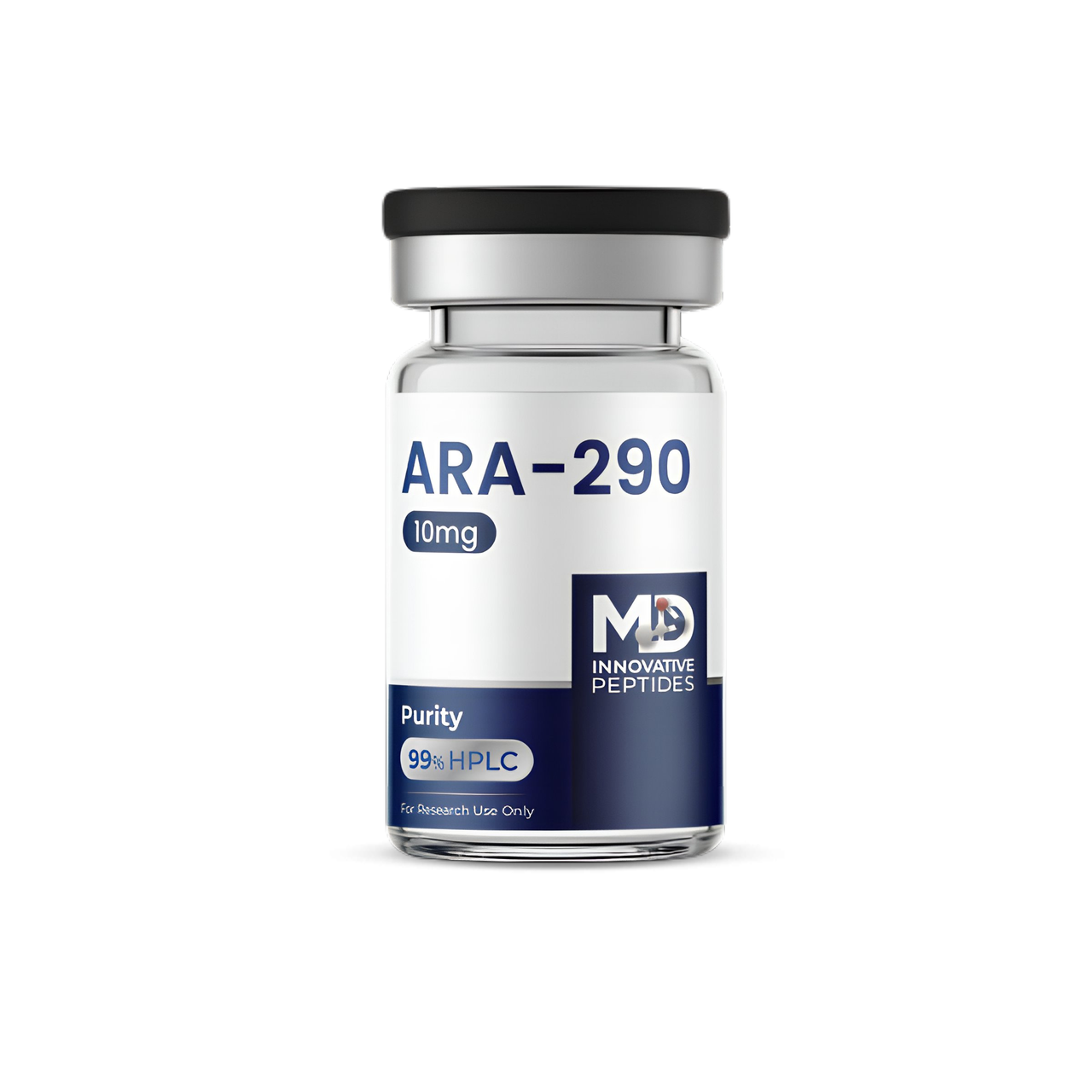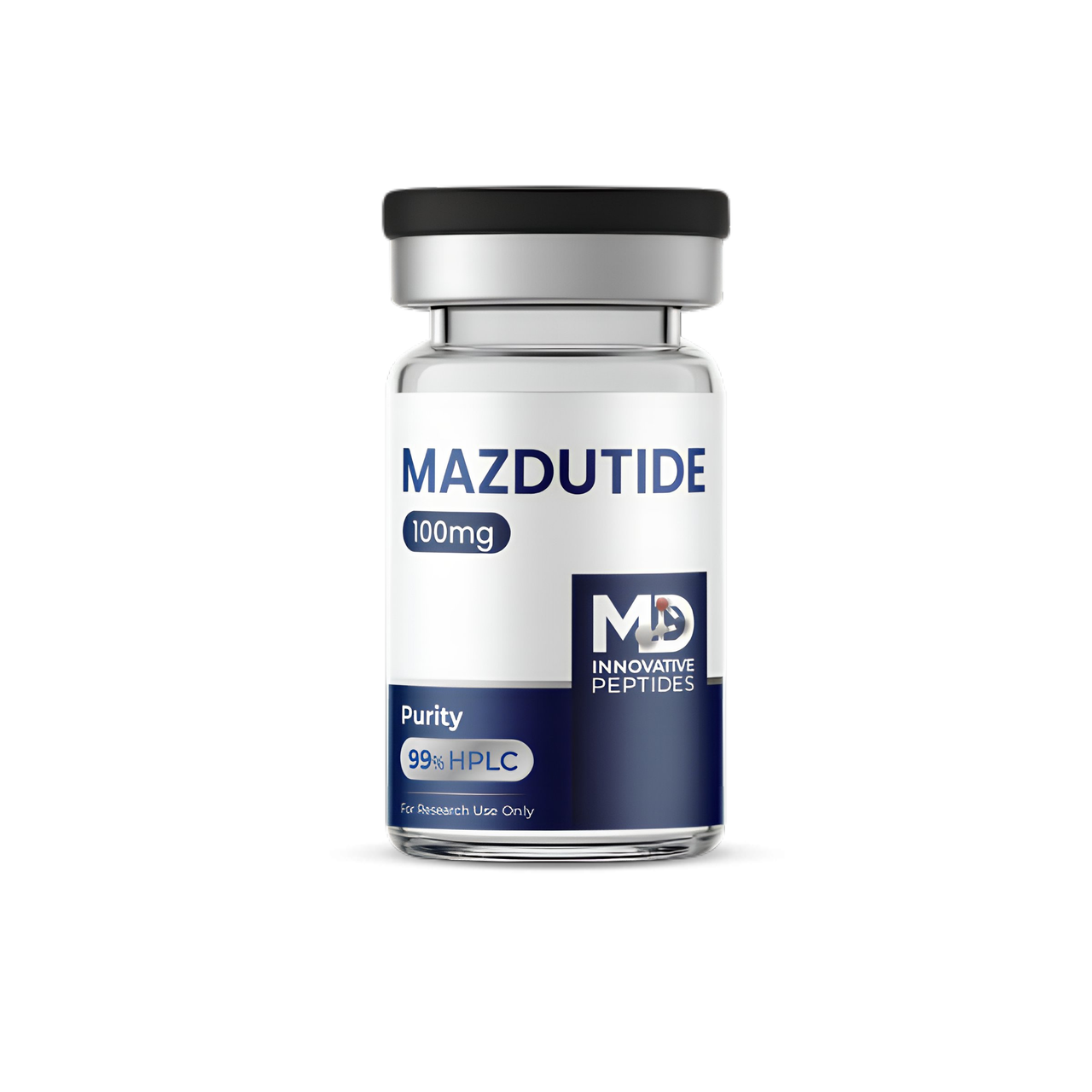
In scientific research, consistency, transparency, and documentation are essential. Whether you’re conducting analytical testing, validating methods, or comparing experimental results over time, one factor that is often overlooked is batch traceability.
Batch traceability allows researchers to connect every vial of a peptide to its specific manufacturing lot and the analytical testing performed on that lot. This level of documentation supports reproducibility, quality assurance, and confidence in laboratory workflows.
At MD Innovative Peptides, we believe that lot-specific documentation is an important part of providing high-quality analytical reference materials. That’s why we make available batch-specific Certificates of Analysis (COAs) whenever possible, helping researchers verify the identity and quality of the materials they purchase.
What Is Batch Traceability?
Batch traceability is the ability to track a specific peptide lot throughout its lifecycle—from manufacturing and quality control testing to packaging and distribution.
Each production run receives a unique lot number (also called a batch number), which links that material to its corresponding laboratory documentation.
This documentation may include:
- Certificate of Analysis (COA)
- High-Performance Liquid Chromatography (HPLC) results
- Mass Spectrometry (MS) data
- Manufacturing date
- Testing date
- Product specifications
- Quality control records
By assigning a unique lot number, manufacturers and researchers can identify exactly which batch was used in a laboratory study.
Why Is Batch Traceability Important?
Batch traceability supports good laboratory practices by ensuring that researchers can identify and document the exact analytical reference material used in their work.
This helps:
- Improve research reproducibility
- Support quality assurance
- Simplify recordkeeping
- Verify analytical testing
- Reduce uncertainty when comparing data over time
Without lot-specific documentation, it becomes much more difficult to determine whether differences in research results may be related to changes in source material.
Supporting Research Reproducibility
One of the cornerstones of scientific research is reproducibility—the ability to repeat an experiment and obtain consistent results under similar conditions.
Recording the batch number used in a study allows researchers to:
- Repeat experiments using the same production lot when available
- Compare results across different batches
- Document material sourcing in laboratory records
- Improve consistency between studies
Detailed traceability helps create a clear record of the analytical reference materials used throughout a research project.
Connecting Every Lot to a Certificate of Analysis
Each batch-specific Certificate of Analysis (COA) provides analytical information for a particular production lot.
Rather than relying on generic product information, researchers can review documentation that corresponds directly to the material they have received.
A lot-specific COA commonly includes:
- Product identification
- Lot number
- HPLC purity results
- Mass Spectrometry identity confirmation
- Storage recommendations
- Testing methods
- Quality review information
Matching the lot number on the product label with the lot number on the COA is an important step before beginning laboratory work.
Quality Control Begins with Traceability
Quality control is not limited to laboratory testing—it also depends on maintaining accurate documentation throughout the manufacturing and distribution process.
Batch traceability helps ensure that analytical data remains linked to the correct production lot.
This allows researchers to verify:
- Which batch was tested
- Which analytical methods were used
- Which specifications were met
- When testing occurred
- Whether documentation matches the received material
This level of transparency helps strengthen confidence in analytical reference materials.
Investigating Unexpected Results
Scientific research does not always produce identical outcomes.
If researchers observe unexpected analytical findings, batch traceability provides an important starting point for review.
Questions that can be investigated include:
- Was a different production lot used?
- Does the COA match the product received?
- Were different analytical results reported?
- Was the material stored according to recommendations?
- Are there documented differences between manufacturing lots?
Maintaining accurate lot records helps researchers evaluate these possibilities more efficiently.
Regulatory and Laboratory Documentation
Many research organizations maintain detailed documentation for all laboratory materials.
Recording lot numbers can help support:
- Internal quality systems
- Laboratory notebooks
- Inventory management
- Material verification
- Method validation
- Audit readiness
Although documentation requirements vary between institutions, maintaining lot-specific records is widely recognized as a good laboratory practice.
What Information Should Researchers Record?
Whenever a new analytical reference material is received, researchers should document key identifying information.
Recommended records include:
- Product name
- Lot number
- Date received
- Certificate of Analysis
- Storage conditions
- Supplier information
- Expiration or retest date (if applicable)
Maintaining organized records helps improve traceability throughout the research process.
Batch Traceability vs. Product Traceability
Although the terms are sometimes used interchangeably, they describe different concepts.
Product traceability refers to tracking a product throughout its distribution.
Batch traceability focuses specifically on identifying the exact manufacturing lot associated with a product and its analytical testing.
For peptide research, batch traceability provides the level of detail needed to connect laboratory results with the corresponding production lot.
What Happens If a Supplier Doesn’t Provide Lot Numbers?
A supplier that cannot provide lot-specific documentation may make it difficult for researchers to:
- Verify analytical testing
- Confirm product identity
- Match Certificates of Analysis
- Compare research materials over time
- Maintain detailed laboratory records
Transparent suppliers typically provide unique lot numbers and corresponding analytical documentation for each available production batch.
Why MD Innovative Peptides Emphasizes Batch Traceability
At MD Innovative Peptides, transparency is an important part of supporting laboratory research.
Whenever available, our analytical reference materials include:
- Lot-specific Certificates of Analysis
- HPLC purity testing
- Mass Spectrometry identity confirmation
- Product-specific laboratory documentation
- Clearly identified batch numbers
Providing accessible documentation helps researchers evaluate the materials they purchase and maintain complete laboratory records.
Frequently Asked Questions
What is a peptide batch number?
A batch number (or lot number) is a unique identifier assigned to a specific manufacturing run of a peptide. It links that material to its corresponding quality control documentation and Certificate of Analysis.
Why should I record lot numbers?
Recording lot numbers helps improve research documentation, supports reproducibility, and allows researchers to reference the analytical testing associated with a specific batch.
Can two batches have different COAs?
Yes. Certificates of Analysis are generally batch-specific because each production lot undergoes its own analytical testing.
What happens if the lot number on my product doesn’t match the COA?
The Certificate of Analysis should correspond to the exact lot number printed on the product. If the numbers do not match, researchers should contact the supplier before using the material.
Is batch traceability required for research?
Documentation requirements vary by institution and research setting. However, maintaining batch traceability is widely recognized as a best practice for laboratory quality assurance and recordkeeping.
Final Thoughts
Batch traceability is more than just a number printed on a label—it is a key component of scientific transparency, quality assurance, and research reproducibility. By connecting every production lot to its analytical testing and documentation, researchers can better understand the materials they use, maintain accurate laboratory records, and support consistent experimental workflows.
Whether reviewing a Certificate of Analysis, comparing HPLC results, or confirming Mass Spectrometry data, lot-specific documentation provides valuable context that helps strengthen confidence in analytical reference materials.
Related Reading
To learn more about peptide quality documentation, explore these additional resources from the MD Innovative Peptides blog:
- How to Read a Peptide Certificate of Analysis (COA)
- HPLC vs. Mass Spectrometry: What’s the Difference?
- Understanding Peptide Purity and HPLC Testing
- What Is a Certificate of Analysis (COA)?
Research Use Notice
The analytical reference materials offered by MD Innovative Peptides are intended exclusively for laboratory research and in vitro analytical applications. They are not intended for human use, veterinary use, therapeutic use, diagnostic use, or the preparation of injectable products. Researchers are responsible for ensuring all materials are handled in accordance with applicable laws, regulations, and institutional laboratory protocols.