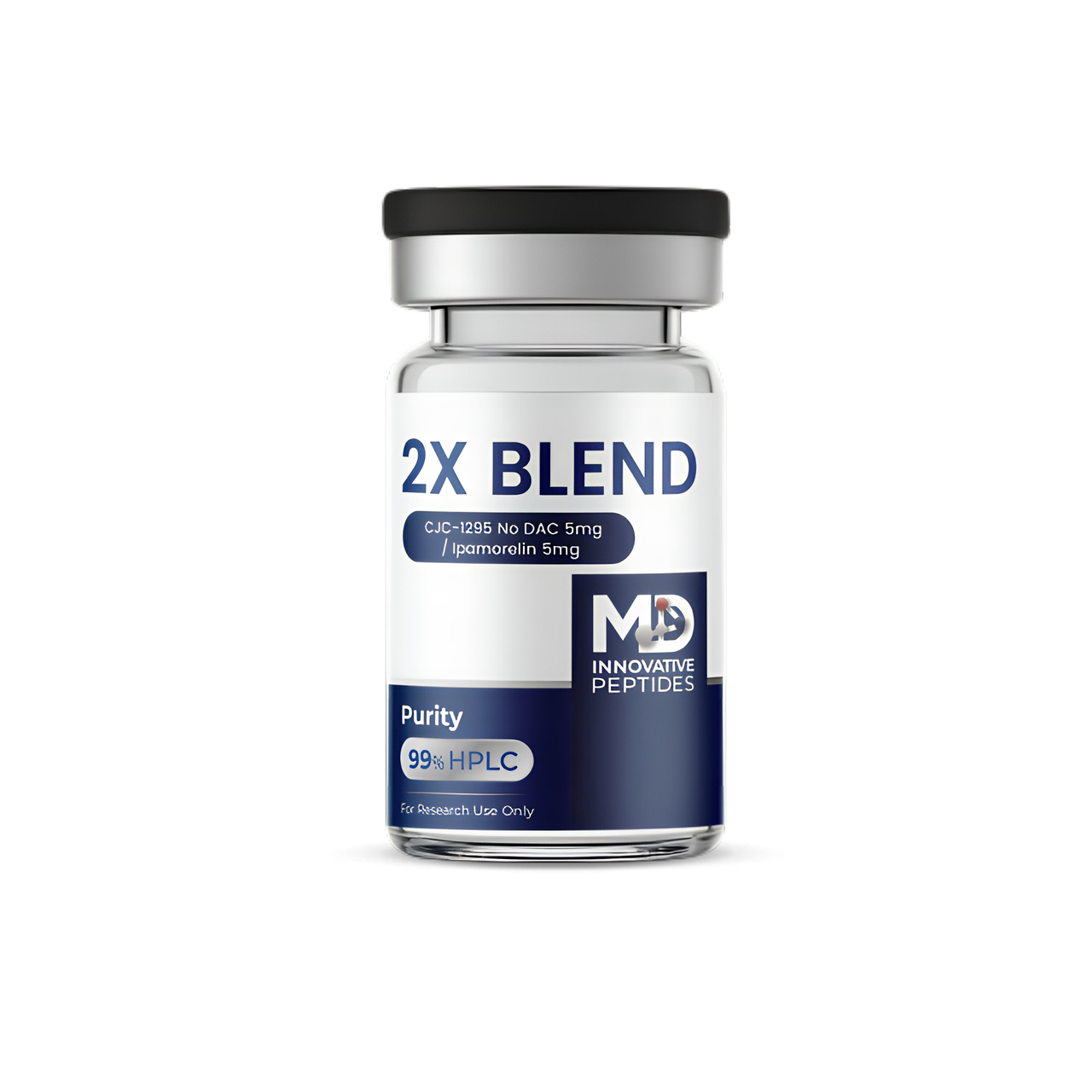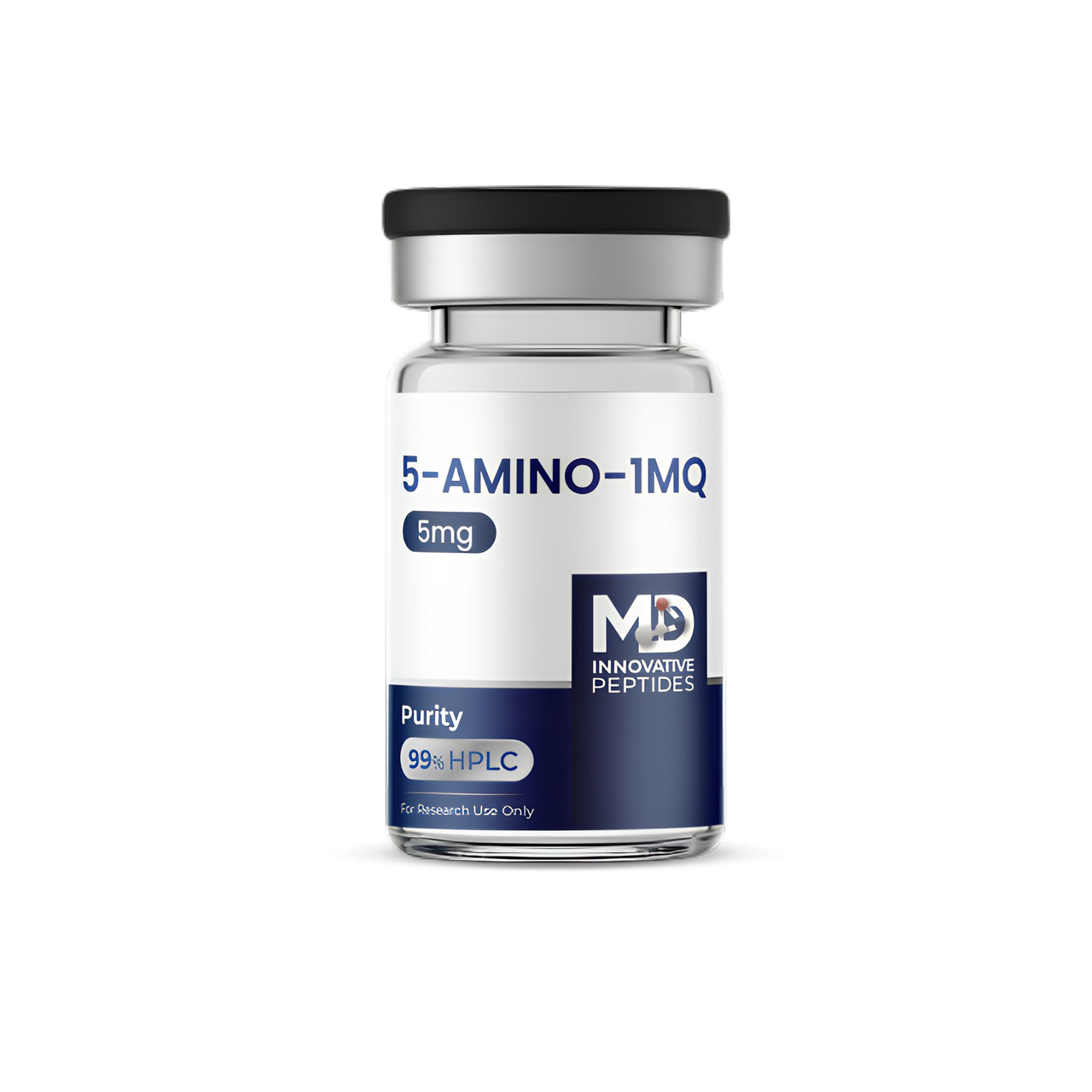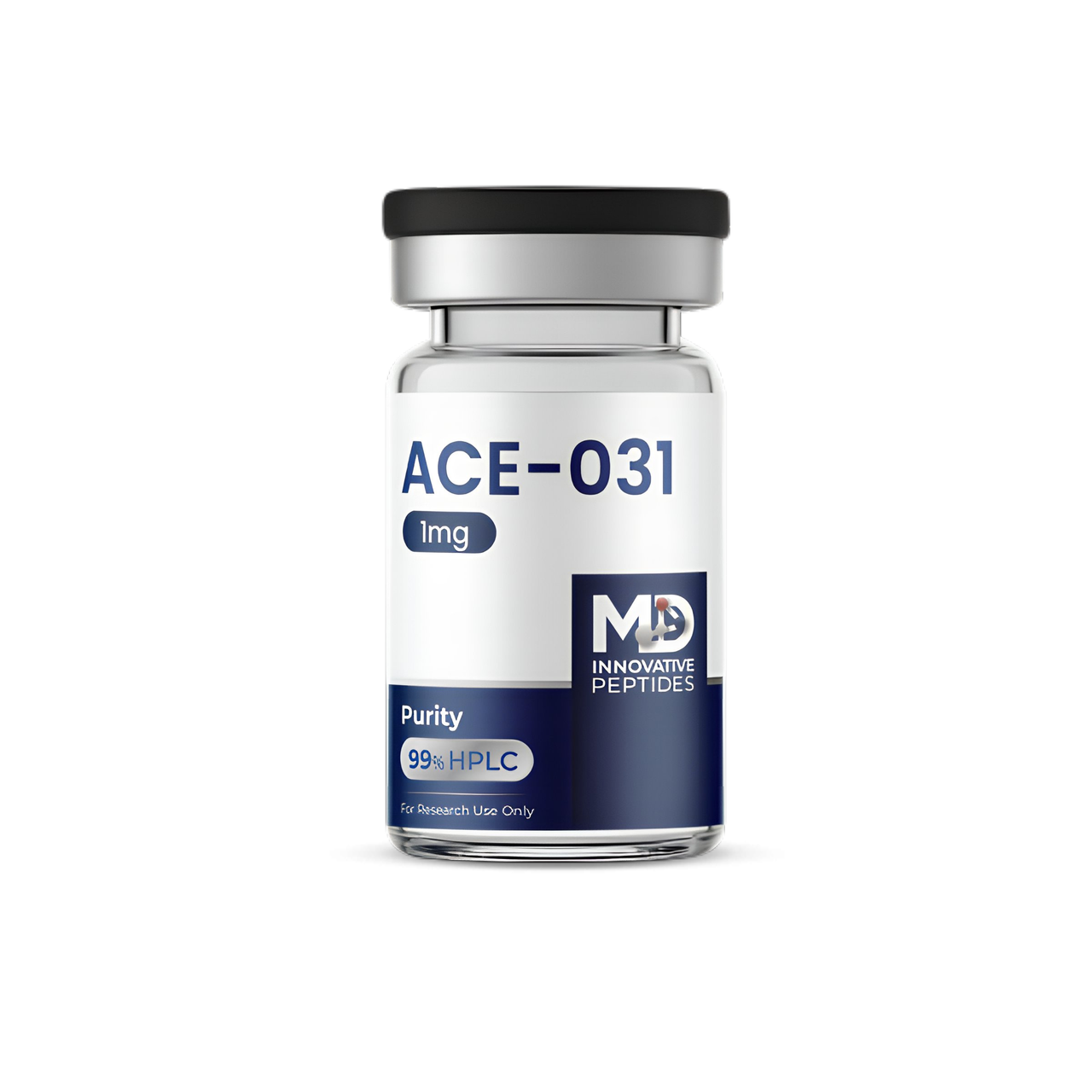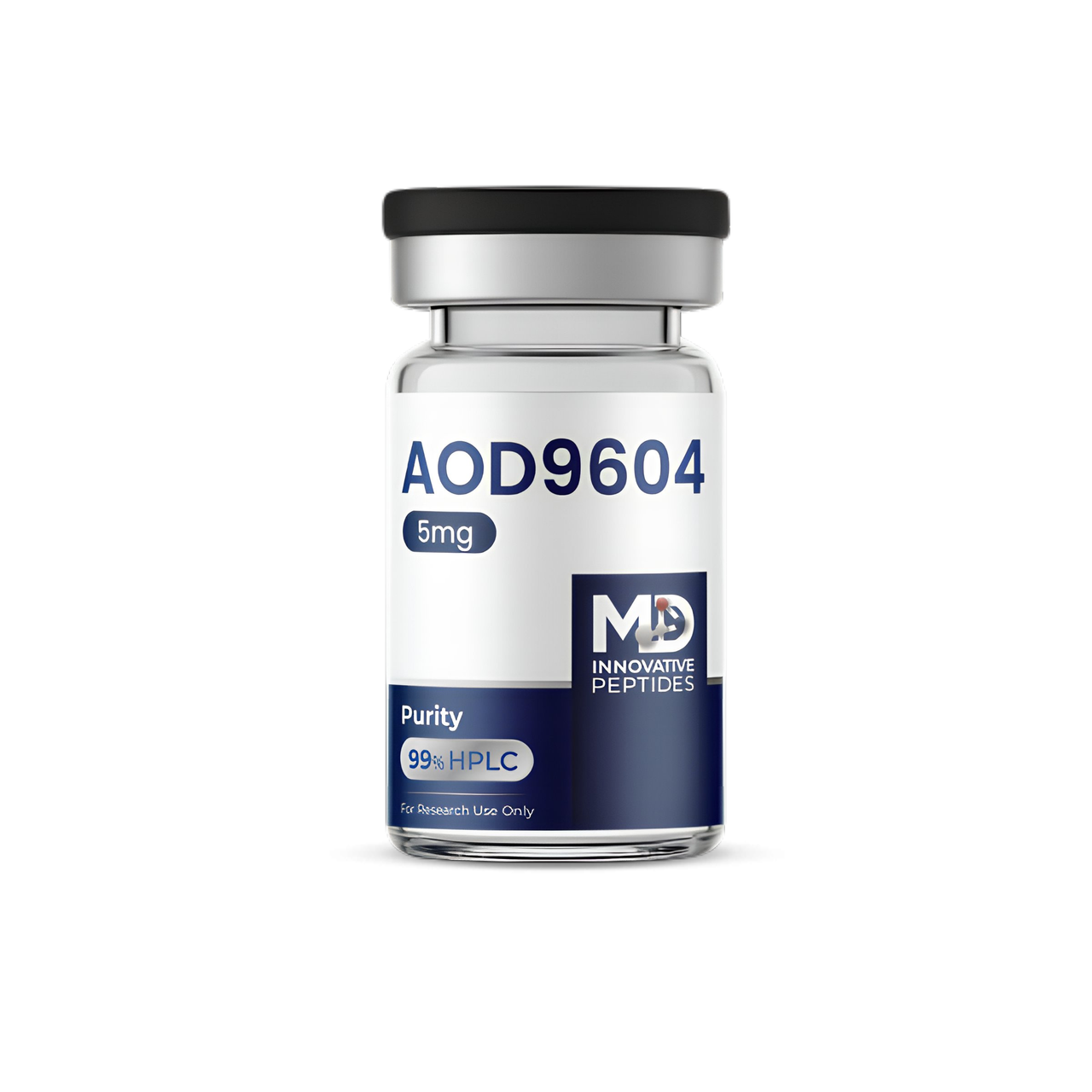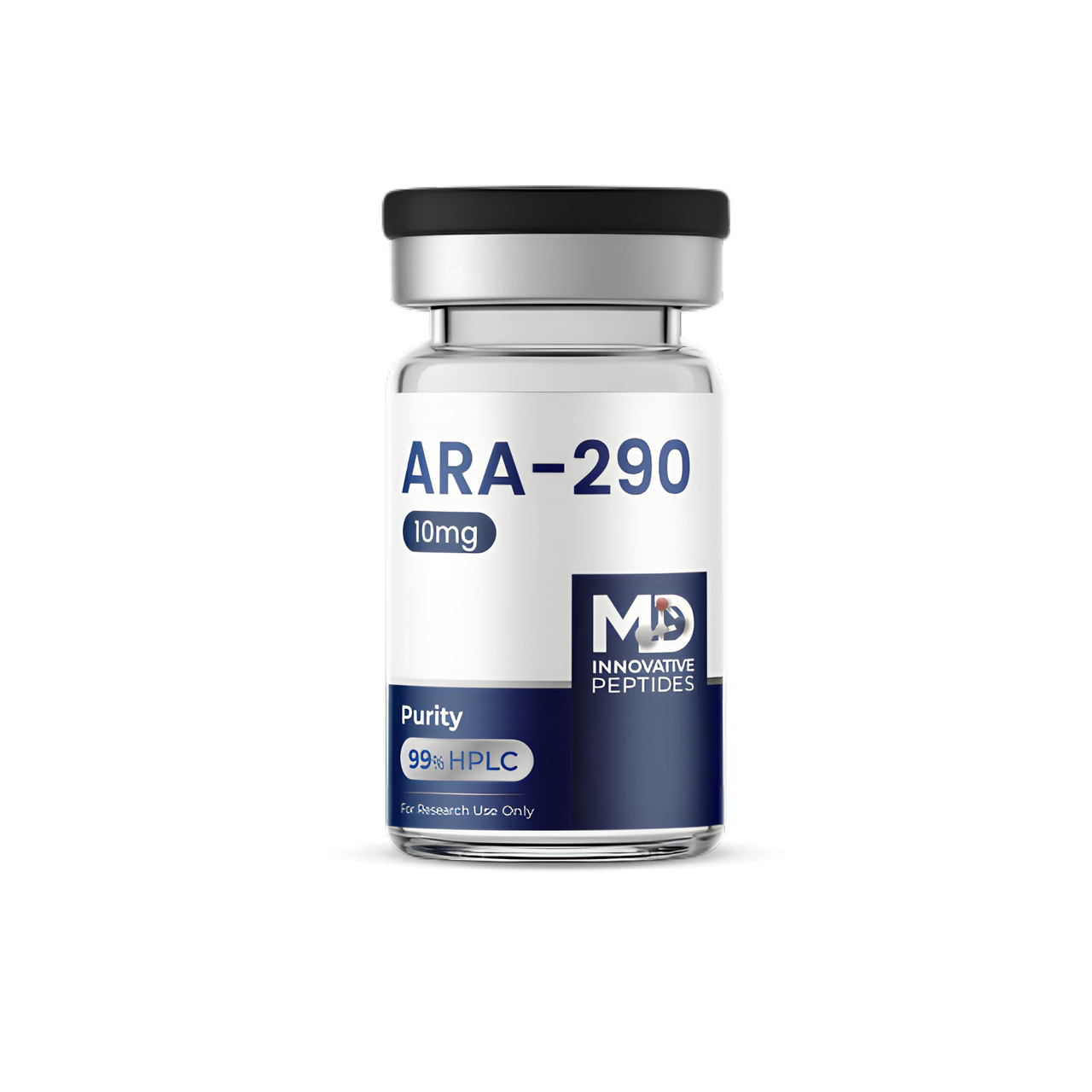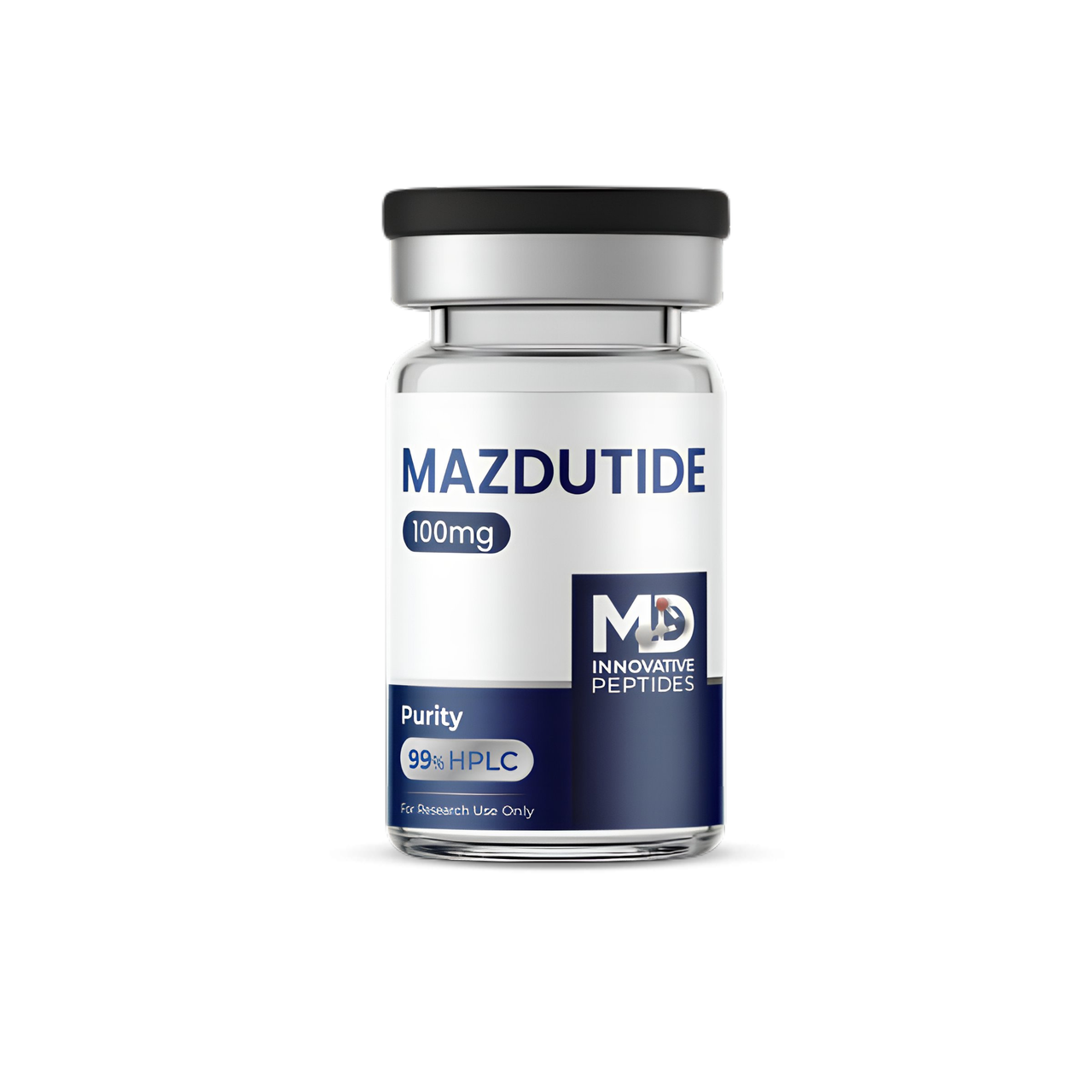
A peptide vial can carry a familiar name, a stated purity percentage, and a professional-looking label while still leaving critical procurement questions unanswered. The top indicators of peptide authenticity are not packaging cues or broad marketing claims. They are a connected body of batch-level evidence showing what the material is, how it was measured, where it fits in a controlled release process, and whether the documentation follows the specific lot in hand.
For laboratory procurement, authenticity should be evaluated as a verification question rather than a visual judgment. A credible supplier makes it possible to compare the vial label, batch record, analytical results, and release status without relying on assumption. That distinction matters because a peptide may be present in a sample yet still be unsuitable for a given research protocol because of inadequate purity, incorrect quantity, incomplete testing, or an untraceable source.
Top Indicators of Peptide Authenticity: Start With Identity
Authenticity begins with identity confirmation. For a synthetic peptide, the supplier should be able to demonstrate that the material is consistent with the stated sequence and expected molecular mass. Mass spectrometry is commonly used for this purpose because it can confirm whether the observed mass aligns with the peptide’s expected mass. This is a foundational result, but it should not be treated as a complete quality decision on its own.
Mass confirmation can establish that a primary molecular species is present. It does not necessarily characterize every closely related impurity, establish chromatographic purity, or verify the net amount available for an experiment. Peptides can have deletion sequences, oxidation products, residual synthesis-related components, salt contributions, or other characteristics that require additional analytical context.
A useful Certificate of Analysis, or COA, identifies the material by product name and batch or lot number, then ties identity results directly to that same batch. Researchers should be cautious when a document uses only a generic product name, lacks a date, or cannot be matched to the vial label. A certificate that cannot be connected to the received material is reference material, not batch evidence.
Method Details Make an Identity Claim More Meaningful
Analytical claims have more value when the method is named and the reported result is interpretable. A COA need not reproduce a full laboratory method validation package for every purchase, but it should indicate what test was performed and provide a result that corresponds to the stated specification.
For identity, that may include the expected and observed molecular mass. For purity, it may identify the chromatographic technique and report a percentage. When chromatographic data or spectra are available, they offer an additional opportunity to assess whether the result is plausible and associated with the reported lot. Documentation that says only “tested” or “verified” without identifying the test leaves too much of the decision outside the record.
Purity Is Essential, But It Is Not the Whole Answer
Purity is among the most visible top indicators of peptide authenticity because it directly affects experimental interpretation. High-performance liquid chromatography, often reported as HPLC purity, is commonly used to quantify the relative proportion of the principal peptide peak under defined conditions. A published purity percentage gives researchers a usable point of comparison across lots and suppliers.
Still, purity requires context. A reported value describes the test result generated by a particular method and sample. It does not automatically establish identity, exact peptide content, sterility, endotoxin status, or suitability for every assay. A 99% chromatographic purity claim, for example, remains incomplete if the lot number is absent, the method is not identified, or the quantity assay is not addressed.
The appropriate purity threshold depends on the research objective. Exploratory method work, reference comparison, and sensitive cell-based studies may have different impurity tolerances. Researchers should define acceptance criteria before ordering whenever possible, including the minimum purity, identity evidence, and any contaminant screening relevant to the laboratory workflow. This prevents a percentage on a product page from becoming a substitute for a protocol-specific material specification.
Assay Quantity and Peptide Content Require Separate Attention
A vial labeled with a nominal mass does not always communicate the precise amount of peptide available for experimental use. The difference can matter when preparing standards, comparing lots, or working with materials that contain counterions, residual moisture, or other non-peptide components.
Assay or content testing helps address this question by measuring how much of the labeled material corresponds to the intended analyte. The reporting format and relevance will depend on the peptide and the laboratory’s planned use. What matters is that researchers do not equate identity, chromatographic purity, and net peptide content as though they are interchangeable results. They answer different quality questions.
Batch Traceability Separates Documentation From Assertion
Traceability is the operational test behind the paperwork. Every relevant record should point to the same batch: the container label, COA, test date, release record, and, where applicable, receiving or fulfillment documentation. A stable batch identifier allows a laboratory to retain results, investigate unexpected findings, and order comparable material later.
This is also where a supplier’s quality system becomes visible. Materials sourced from qualified suppliers should be controlled upon receipt, held in quarantine when appropriate, evaluated against defined specifications, and released only after review. Independent batch testing adds value when results are reviewed as part of a release decision rather than simply collected as a marketing attachment.
MD Innovative Peptides applies a documentation-first process built around sourcing controls, quarantine, independent testing, internal review, and batch release. For researchers, the practical benefit is not a broad assurance of “quality.” It is access to a record that can be checked against the specific material received.
A publicly browsable COA library can be particularly useful because it permits documentation review before procurement. However, researchers should still verify that the certificate corresponds to the lot shipped. A historical COA may show that a supplier has tested the product category, but only a matching batch document supports the material currently under evaluation.
Contaminant Testing Should Match the Research Risk
Analytical completeness depends on the material and intended laboratory application. Heavy-metal screening, microbial testing, and yeast-and-mold testing may be appropriate controls for peptide materials, particularly where contamination could confound assay results or compromise laboratory handling requirements. These results should be reported with the batch and method context needed to understand what was screened.
No single panel is universal. Some research programs may need additional information, such as endotoxin testing, residual solvent analysis, bioburden evaluation, or specialized impurity profiling. Others may prioritize identity, purity, and assay quantity. The correct approach is to compare the supplier’s available test panel with the risk profile of the experiment rather than assuming that one standard document covers every use case.
Researchers should also avoid converting research-grade documentation into clinical or veterinary claims. A batch-specific COA supports material assessment for laboratory research. It does not make a research chemical a pharmaceutical product, establish safety for administration, or replace requirements that apply to regulated clinical materials.
Packaging, Storage, and Fulfillment Records Still Matter
Packaging cannot prove molecular identity, but it can preserve the value of valid analytical documentation. An intact, correctly labeled container with a readable batch number, stated storage conditions, and consistent handling information reduces ambiguity at receiving. If a vial arrives without a lot identifier, with damaged labeling, or with documentation that does not match the order, the discrepancy should be resolved before the material enters a study.
Storage expectations should also be evaluated realistically. Peptide stability can depend on sequence, formulation, temperature, light exposure, moisture, and the number of handling events after receipt. A supplier’s documented storage guidance should be incorporated into the laboratory’s own inventory controls, including receipt dates, aliquoting procedures where relevant, and retention of the original batch record.
The strongest procurement decision is usually not based on one impressive result. It is based on a chain of evidence that remains intact from the supplier’s release process to the laboratory’s receiving log. When the label, COA, identity test, purity result, quantity information, and applicable contaminant panel all agree at the batch level, researchers can spend less time questioning the starting material and more time designing controlled, reproducible work.