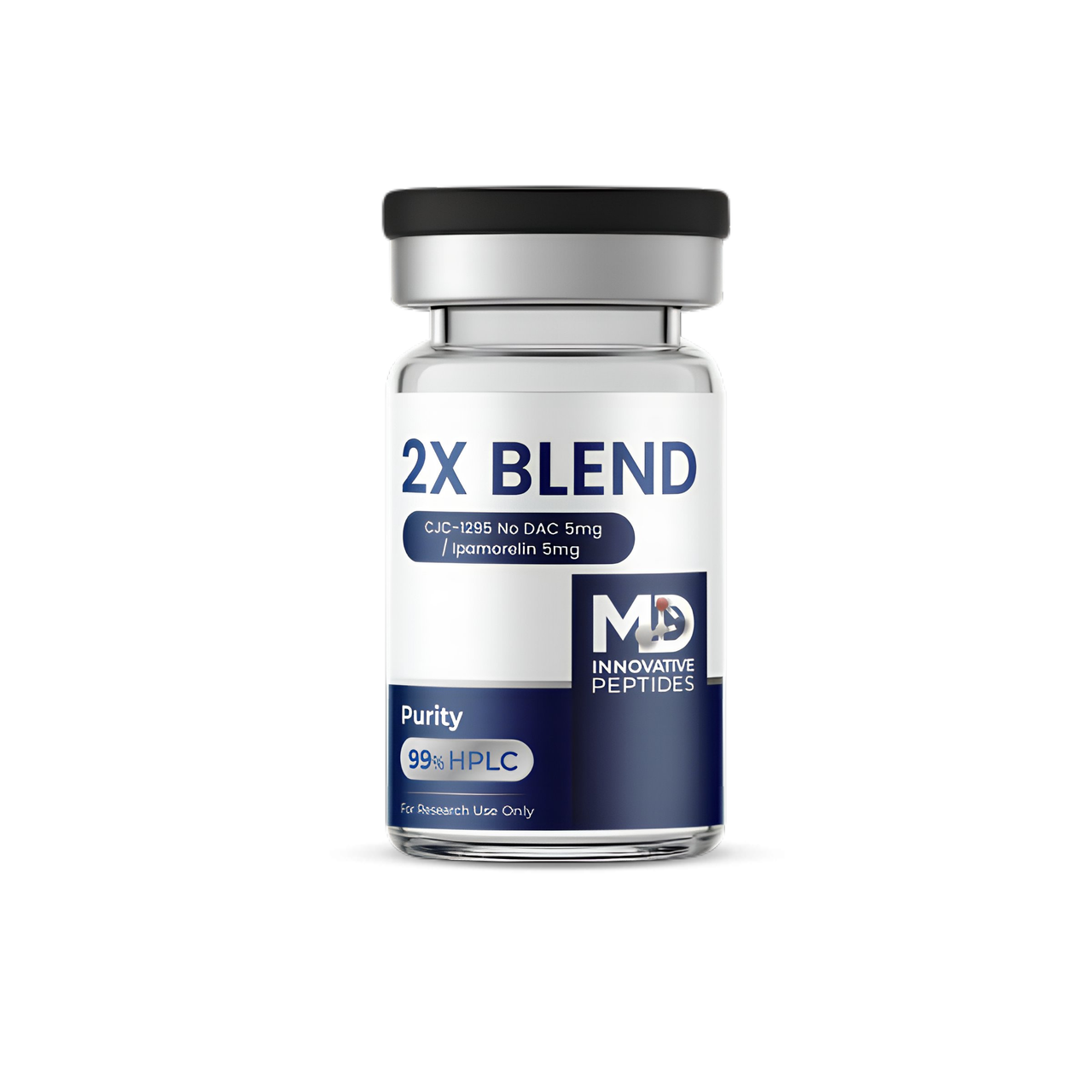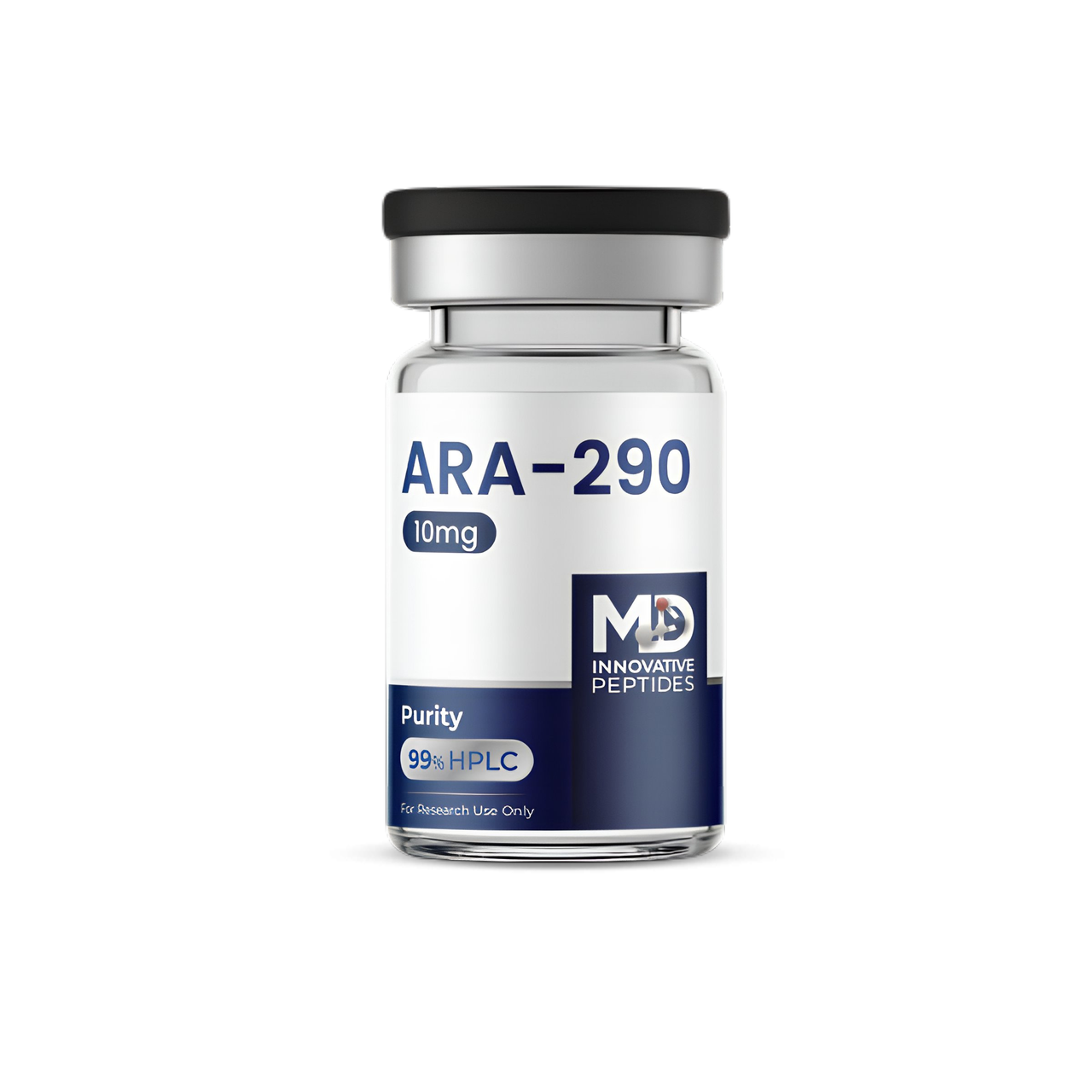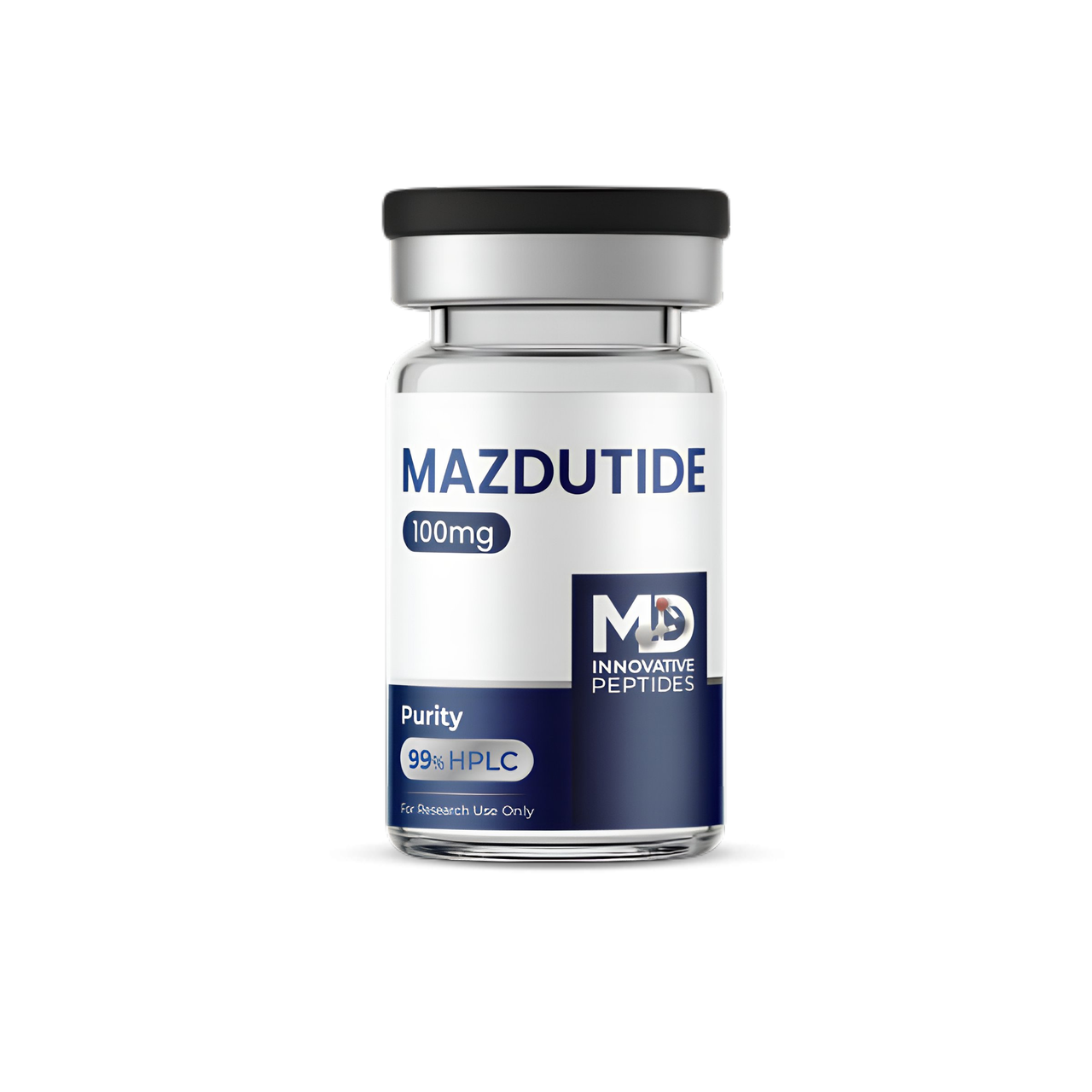
A vial label can identify a material, but it cannot establish whether the contents match the label, which batch was tested, or whether the material is appropriate for a controlled in vitro workflow. This research material documentation guide explains the records qualified laboratories should review before receiving, releasing, and using research-use-only materials.
For peptides, bioregulators, research blends, and laboratory support compounds, documentation is not administrative overhead. It is part of material control. A procurement decision supported by lot-specific analytical records gives a laboratory a defined basis for assessing identity, purity, quantity, and applicable safety screening. It also makes later review possible when results need to be compared across experiments, operators, or sourcing events.
Start with lot-level traceability
Traceability begins before a material reaches the laboratory. The supplier should be able to associate a product with a specific batch or lot number, and that number should appear consistently across the vial label, Certificate of Analysis, packing documentation, and any relevant testing record.
A product name alone is insufficient. Names may describe a peptide sequence, blend, or research category, but they do not distinguish one production run from another. Two units with the same catalog name may originate from different lots and may have different analytical results, release dates, or retest status.
At receipt, record the product name, lot number, quantity received, date received, supplier, and storage condition. Assign an internal receipt or inventory identifier if your quality system uses one. The purpose is practical: if an experiment later requires review, the laboratory should be able to identify exactly which material was used without relying on memory or a generic product description.
Match the documents to the physical unit
The first check is a direct comparison. Confirm that the batch number on the physical unit matches the batch number on the COA. Confirm that the stated material and quantity align with the purchase record. If the COA references a different lot, a different item, or an unclear product designation, place the material on hold until the discrepancy is resolved.
This step matters even when a supplier publishes a COA library. Public access supports transparency, but the record still has to correspond to the unit in hand. A valid COA for a previous lot does not establish the analytical status of a current lot.
What a Certificate of Analysis should establish
A Certificate of Analysis is most useful when it functions as a batch-specific release document rather than a general marketing statement. It should clearly identify the tested lot and show the analytical information needed to interpret the result.
For peptide research materials, identity and purity are central, but they answer different questions. Identity testing addresses whether the detected material is consistent with the expected compound. Purity testing estimates the proportion of the target material relative to detectable impurities under the stated analytical method. A high purity percentage is meaningful only when it is connected to a named batch, a defined method, and a test date or report date.
Review whether the COA provides the material name, lot number, analytical method, result, specification or acceptance criterion where applicable, testing date, and an authorized release or review indication. The level of detail may vary by material type, but an unexplained percentage without lot identification offers limited value for controlled procurement.
Analytical methods should also fit the question being asked. High-performance liquid chromatography is commonly used to assess peptide purity profiles. Mass spectrometry may support molecular identity. These methods are complementary, not interchangeable. A chromatographic purity result does not independently prove molecular identity, and a mass result does not by itself characterize all impurity content.
Review the testing panel in context
A testing panel should be evaluated according to the material, intended laboratory workflow, and risk profile. There is no single document set that answers every quality question for every research material. The appropriate review depends on whether the laboratory needs confirmation of peptide purity, net content, elemental contamination screening, microbial status, or additional attributes.
For many research applications, documentation may include the following distinct controls:
- Identity confirmation, often supported by mass spectrometry or another appropriate analytical technique.
- Purity assessment, commonly reported as a percentage from chromatographic analysis.
- Assay or quantity verification, which addresses how much material is present relative to the labeled claim.
- Heavy-metal screening, relevant when elemental contamination could affect the study system or downstream analysis.
- Microbial and yeast-and-mold testing, particularly when laboratory handling conditions or experimental design call for microbiological screening.
Do not assume that every test applies to every material or that one result substitutes for another. A material can meet a chromatographic purity specification and still require separate review for quantity, metals, or microbiological parameters. Conversely, a broad testing panel should not be treated as proof of fitness for an unvalidated experimental protocol.
The laboratory’s role is to define which documented attributes are required before use. That decision should be tied to the study plan, internal procedures, instrument sensitivity, and the consequences of a material-related deviation.
Build a receiving and release decision
Documentation review is more reliable when it follows a defined sequence rather than an informal visual check. A useful receiving procedure separates physical inspection from document verification and document verification from authorization for use.
First, inspect the shipment for evidence of damage, temperature concerns where relevant, labeling errors, or missing units. Next, confirm that the material is accompanied by or can be matched to its batch-specific documentation. Then evaluate the COA against the laboratory’s acceptance requirements. If any required element is missing or inconsistent, quarantine the material from experimental inventory.
Release should be documented by the individual or function authorized under the laboratory’s quality practices. In a smaller laboratory, this may be a principal investigator or laboratory manager. In a more formal setting, procurement, quality assurance, and study personnel may have separate responsibilities. The structure can differ, but the release decision should be clear and attributable.
MD Innovative Peptides applies a documentation-first quality process in which materials are sourced from qualified suppliers, quarantined, independently tested, internally reviewed, and batch released. For researchers, the operational value is straightforward: a batch-specific COA provides a record that can be reviewed before the material enters an experiment.
Preserve records after release
The documentation process should not end when a material is accepted. Retain the COA with the receiving record, storage log, and experiment-level material record. Electronic storage is acceptable when files are controlled, legible, and retrievable. The objective is to preserve the connection between the source document and the experimental work.
When aliquoting or transferring a material, carry forward the original lot number and internal identifier. A new tube label that says only “peptide” or a shortened compound name breaks the traceability chain. At minimum, secondary containers should allow staff to identify the parent lot and locate the associated records.
Storage documentation deserves the same discipline. Record the required storage condition from the supplier documentation, the location in the laboratory, and any relevant opening or reconstitution date under your internal procedures. Storage history does not replace release testing, but poor recordkeeping can make it difficult to distinguish a sourcing issue from a handling issue.
Know what documentation cannot prove
Complete documentation reduces uncertainty. It does not eliminate it. A COA reflects the tested batch and the reported methods at the time of testing. It does not validate a laboratory’s assay design, establish compatibility with every solvent or model system, or guarantee results after handling outside stated storage conditions.
Researchers should also avoid extending research-material documentation into clinical or diagnostic claims. Research-use-only materials are designated for laboratory research and are not intended for human or veterinary use. Analytical documentation supports controlled material evaluation within that scope; it does not change the material’s intended use.
Where a study has unusually high sensitivity to a specific impurity, concentration, or performance characteristic, incoming documentation may be only the first control. The laboratory may need confirmatory testing, method-specific qualification, or a tighter internal acceptance criterion. That added work is not a failure of supplier documentation. It is an appropriate response to a higher-risk application.
Make documentation review part of experimental planning
The best time to identify required documentation is before purchase approval, not after a shipment arrives. Define the minimum acceptable records in the procurement specification. State whether batch-specific COAs are required, which test attributes matter, whether an expiration or retest date must be available, and how discrepancies will be handled.
This approach prevents avoidable delays and gives purchasing personnel an objective basis for supplier evaluation. It also helps research teams compare results across lots without assuming that materials with the same name are analytically identical.
A well-maintained documentation file gives a laboratory something more useful than a claim of quality: a traceable record of what was received, reviewed, released, and used. When an experimental result deserves confidence, the material record should be ready to support it.