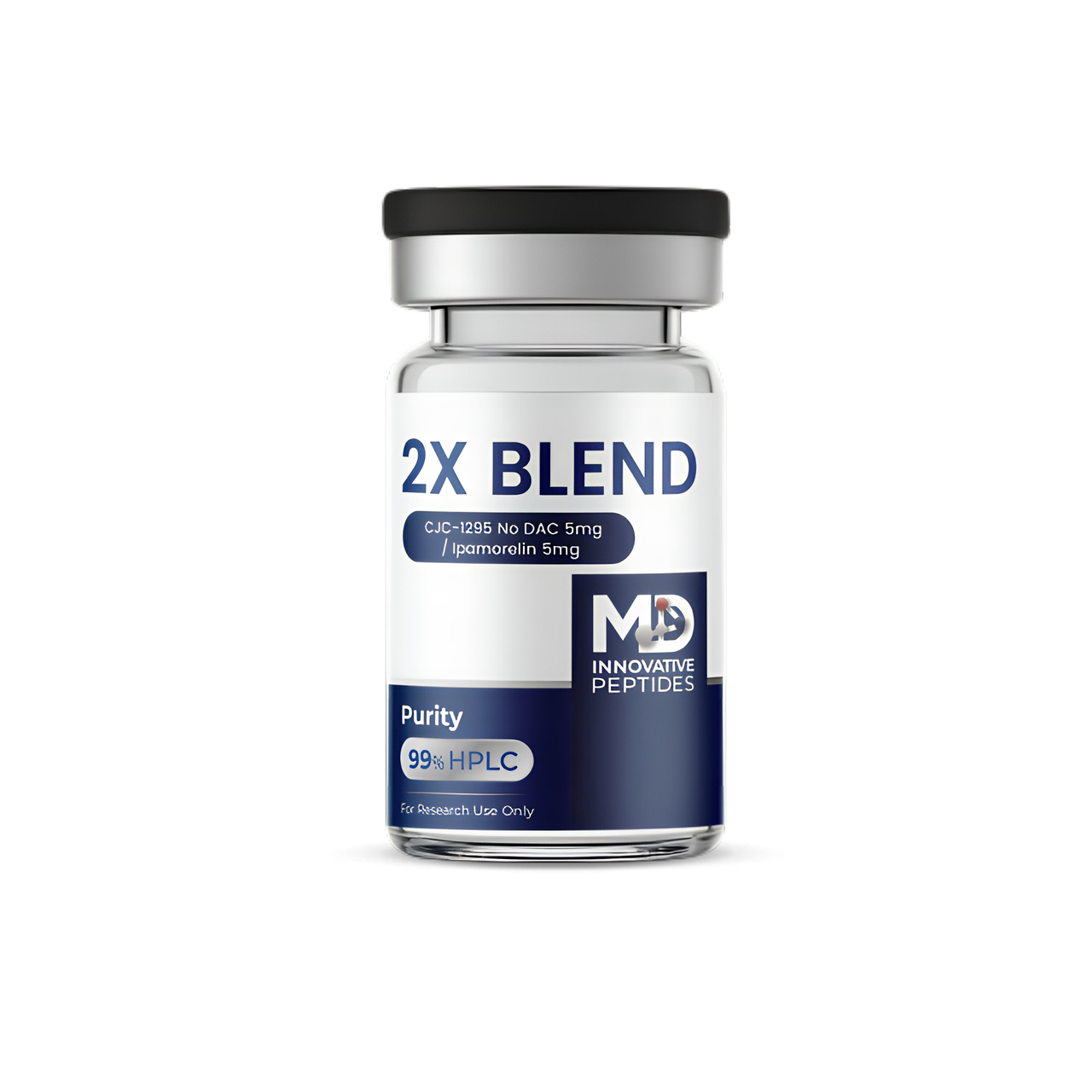
A peptide’s label is only a starting point. Peptide testing laboratories provide the analytical evidence needed to determine whether a material matches its stated identity, meets its purity specification, and is suitable for controlled in vitro research. For laboratories that depend on repeatable inputs, the relevant question is not whether a supplier says a peptide is high quality. It is whether the batch record can show how that conclusion was reached.
A usable quality file connects the physical vial to a defined lot, a documented test method, a test date, and a release decision. When any part of that chain is missing, procurement risk increases. A material may still be usable for a limited exploratory application, but the researcher has less basis for comparing results across experiments, reorders, or sites.
What Peptide Testing Laboratories Actually Verify
Testing begins with identity. Synthetic peptides can have similar names, related sequences, or closely related molecular weights. A reliable laboratory uses an appropriate analytical method to confirm that the tested material corresponds to the intended compound. Mass spectrometry, commonly LC-MS, is frequently used to evaluate molecular mass and detect expected analyte signals. Depending on the peptide and method, identity work may also be supported by retention-time comparison and other orthogonal data.
Purity is a separate measurement. High-performance liquid chromatography, or HPLC, separates components in a sample and reports the relative area associated with the principal peak. The resulting chromatogram can indicate whether related impurities, deletion sequences, residual synthesis byproducts, or other components are present at measurable levels. A stated purity percentage should be understood in the context of the method used, the detection approach, and the tested sample.
Quantity matters as well. A vial labeled with a nominal amount does not automatically establish the amount available for research use. Assay testing evaluates the amount of the target material present, often expressed through a method-specific calculation. Researchers should distinguish purity from assay. A peptide can show a strong purity profile while the actual quantity differs from the nominal fill because of water content, counterion contribution, handling, or formulation variables.
A complete testing program may also screen for contaminants that could affect sensitive laboratory work. Common panels include heavy metals, microbial contamination, and yeast and mold. The appropriate panel depends on the material, its synthesis and handling history, the intended research workflow, and the risk tolerance of the receiving laboratory.
Why a Single Purity Number Is Not Enough
Purity is useful, but it cannot carry the entire quality decision. A 99% HPLC purity result does not independently confirm sequence identity, net peptide content, microbial status, or the absence of metals at a laboratory’s specified threshold. It also does not explain whether the report applies to the exact batch being ordered.
The distinction is operationally important. If an assay produces unexpected data, a researcher needs to investigate the experimental system and the input material separately. A batch-specific analytical record makes that investigation more disciplined. It allows the laboratory to confirm the lot number, review the reported methods, compare the relevant specifications, and decide whether retained material or a replacement batch should be evaluated.
This does not mean every project requires the same testing depth. Early method development using a noncritical research input may call for a narrower documentation review than a long-running study with multiple operators and tightly controlled acceptance criteria. The requirement should follow the risk of the application. What should not change is the expectation that the documentation clearly identifies what was tested and what was released.
Reading a Certificate of Analysis With Purpose
A Certificate of Analysis, or COA, is most useful when it functions as a batch record rather than a marketing attachment. The first check is simple: confirm that the product name, batch or lot number, and reported test date correspond to the material under review. A generic document without a batch identifier cannot establish the condition of a specific shipment.
Next, review the stated specification and result for each test. A credible COA identifies the test category, the acceptance criterion where applicable, and the measured outcome. For purity, look for the reported percentage and the analytical method. For identity, determine whether the record identifies the method used rather than simply stating “pass.” For contamination testing, review the units, limits, and whether the panel matches the risks that matter to the research program.
Chromatograms and mass spectra can add useful context when provided. They are not a substitute for method validation or laboratory expertise, but they give scientifically literate buyers a way to assess whether the supporting data are present and internally consistent. If a report lists an unusually broad claim with little method detail, request clarification before treating it as a release-quality document.
A COA should also be current enough to support the supplier’s release process. The date alone does not determine suitability, since storage conditions and stability considerations differ by peptide. Still, the record should show that testing occurred within a defined quality workflow and that the released lot can be traced from incoming material through final disposition.
Questions to Ask Before You Purchase
Before approving a peptide supplier, establish whether the supplier can answer a few practical questions: Is testing tied to the exact lot? Which identity and purity methods are used? Is assay quantity distinguished from chromatographic purity? Are heavy metals, microbial contamination, and yeast and mold evaluated when applicable? Can the COA be reviewed before or at the time of procurement?
The answers reveal more than a specification sheet. They show whether the supplier has a controlled release process or is relying on a generalized claim. A documentation-first supplier should be able to describe material sourcing, quarantine, independent testing, internal review, and batch release in a clear sequence.
Independent Testing and Internal Review Serve Different Roles
Independent analytical testing adds separation between manufacturing or sourcing activity and reported results. It can reduce the risk that a material is accepted solely on an upstream supplier’s representation. For procurement teams, third-party data are especially useful when comparing vendors, qualifying a new source, or investigating an unexpected result.
Internal review remains necessary. A test report does not release a batch by itself. Someone must verify that the sample, method, result, specification, and product record align. The reviewer should confirm that the documentation belongs to the correct lot and that any exceptions have been resolved before the material enters inventory.
Neither approach is automatically sufficient on its own. Independent testing without traceable inventory control can leave uncertainty about whether the tested sample matches the shipped unit. Internal review without meaningful analytical evidence can become a paperwork exercise. The stronger model links both activities through batch-specific records.
Build Testing Requirements Into Procurement
The best time to evaluate documentation is before an experiment depends on the material. Add analytical requirements to the purchasing process, particularly for studies that will be repeated, transferred, or used to support internal decisions. Record the supplier, catalog identifier, lot number, receipt date, storage conditions, and associated COA in the same system used for experimental materials.
For recurring purchases, compare new batch results with prior lots rather than looking at each COA in isolation. Small differences do not necessarily indicate a problem, but they may explain variation in a sensitive assay. Establish acceptance ranges where appropriate and document when a deviation is scientifically acceptable.
At MD Innovative Peptides, this approach is reflected in a defined quality sequence: qualified sourcing, quarantine, independent batch testing, internal review, batch release, and batch-specific COA access. The point is not to imply that an analytical report eliminates experimental uncertainty. It is to ensure that material quality is visible, reviewable, and separate from unsupported claims.
Research materials remain research materials. Documentation does not convert a peptide into an approved drug, a diagnostic product, or a material intended for human or veterinary use. Qualified laboratories should maintain those boundaries in purchasing, storage, labeling, and use.
When the next peptide order is under review, treat the COA as part of the material itself. A batch that can be identified, tested, reviewed, and traced gives the research team a clearer foundation for deciding what to use, what to repeat, and what to question when results matter.