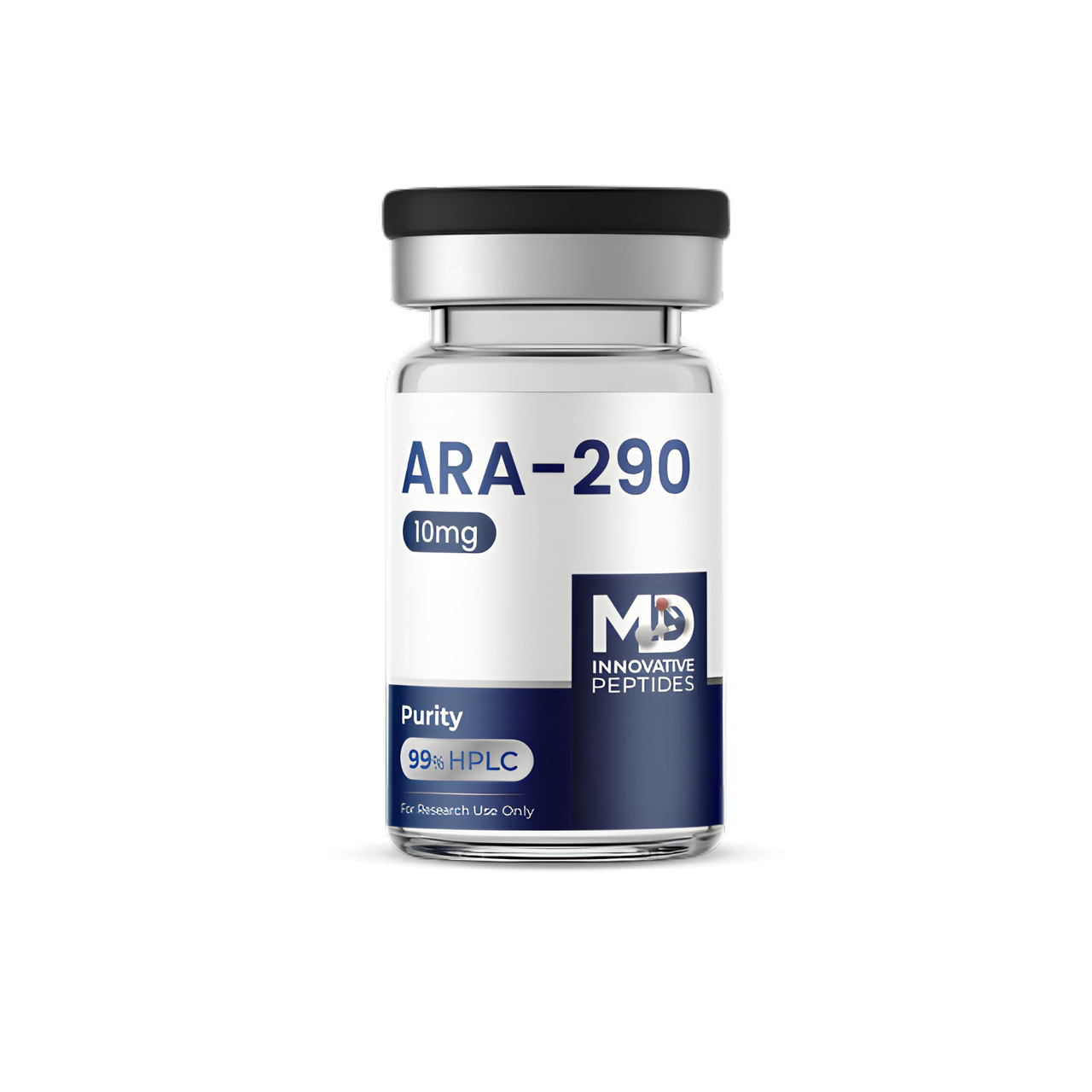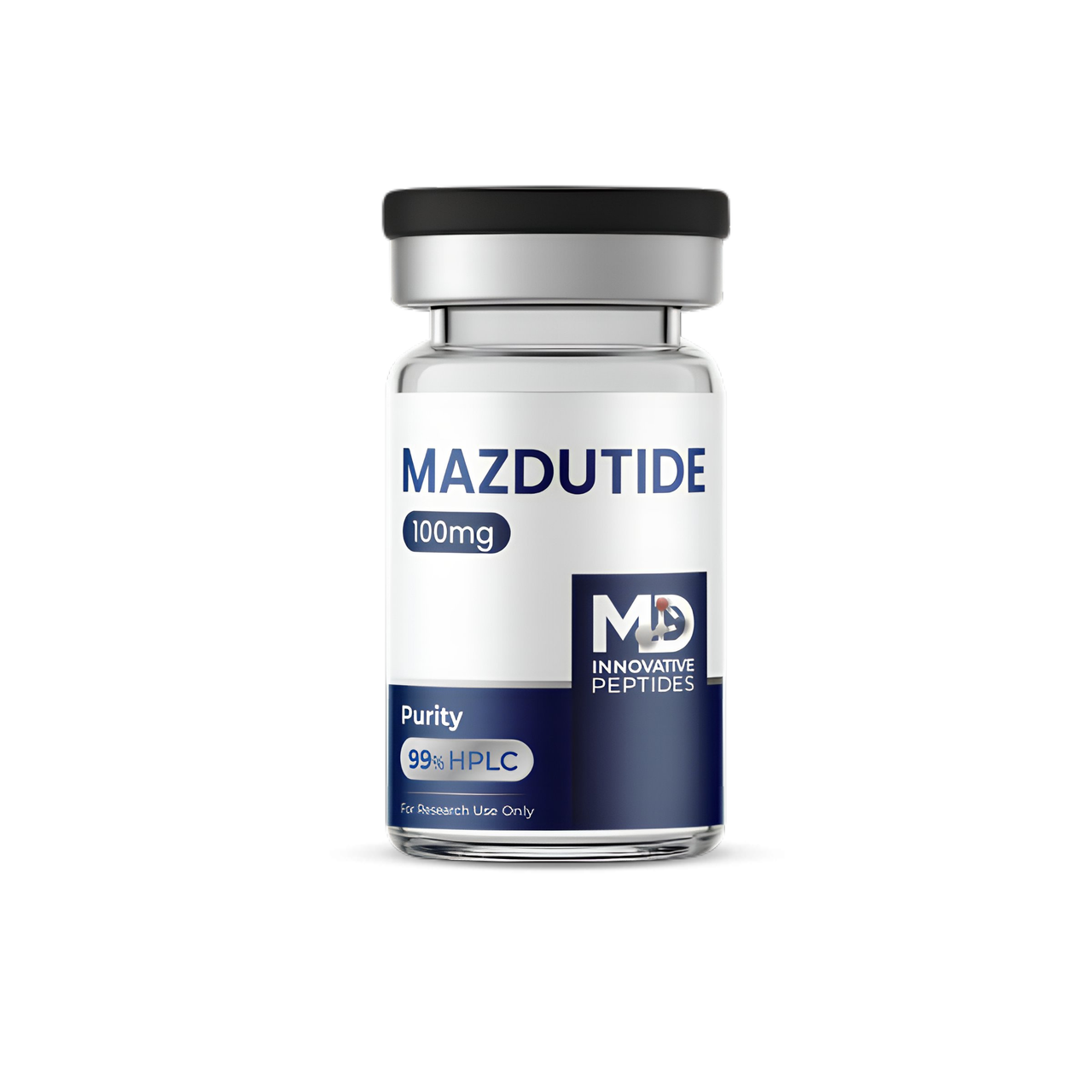
A peptide can appear correct on a product label and still be unsuitable for a controlled research workflow. Sequence-related impurities, residual solvents, moisture, incorrect counterions, or a mismatch between stated and actual content can each affect experimental consistency. Leading peptide analytical testing methods address these separate questions with separate measurements, creating the evidence researchers need to evaluate a specific lot rather than relying on a general quality claim.
For research-use-only materials, the practical standard is not a single high purity percentage. It is a traceable, batch-specific analytical record that establishes what the material is, how cleanly it was isolated, how much peptide is present, and whether relevant contaminant screens were completed. A Certificate of Analysis should make that record visible.
Why One Test Cannot Verify a Peptide Lot
Peptides are chemically complex materials. Even a short sequence may have deletion sequences, truncated species, oxidation products, deamidation products, aggregation, synthesis reagents, or salts that are not evident from a visual inspection. A result from one instrument can be highly useful while still answering only one part of the quality question.
For example, a chromatographic purity result may show that one peak predominates in a sample. It does not, by itself, establish the peak’s molecular identity. Similarly, mass spectrometry may confirm an expected molecular mass, but it does not quantify every low-level impurity or establish the vial’s net peptide content. Meaningful lot evaluation depends on understanding the role and limits of each method.
Leading Peptide Analytical Testing Methods for Lot Release
Reverse-Phase HPLC and UPLC: Purity Profile
Reverse-phase high-performance liquid chromatography, commonly called RP-HPLC, is a primary method for evaluating peptide purity. The method separates components based largely on hydrophobic interactions with a chromatographic stationary phase. A detector records the eluting components as peaks, allowing the laboratory to calculate the relative area attributable to the principal peptide peak.
Ultra-performance liquid chromatography, or UPLC, applies the same general separation principle with smaller particle sizes and higher operating pressures. It can provide faster runs and improved resolution in appropriate methods. Whether a COA reports HPLC or UPLC, the useful question is whether the method adequately resolves the target peptide from anticipated process-related impurities.
A reported purity percentage is generally an area-percent result under defined chromatographic conditions. It is valuable for comparing the major component with detectable related substances, but it should not be treated as a universal statement of every quality attribute. Co-elution can mask poorly resolved impurities, and ultraviolet response can differ among components. Researchers should also recognize that purity does not equal assay quantity.
LC-MS and Mass Spectrometry: Identity Confirmation
Mass spectrometry measures mass-to-charge ratios and is central to peptide identity testing. Electrospray ionization mass spectrometry commonly produces multiple charged forms of the same peptide. When interpreted together, those charge states support confirmation that the observed molecular mass aligns with the expected peptide.
Liquid chromatography-mass spectrometry combines separation with mass detection. This adds useful selectivity when a laboratory needs to evaluate the mass associated with a particular chromatographic peak, investigate an impurity, or distinguish closely related species. High-resolution MS may offer further confidence where mass accuracy is needed to differentiate compounds with similar nominal masses.
Mass confirmation should be understood in context. An expected molecular mass supports identity, but it may not distinguish every positional isomer, stereochemical variant, or sequence arrangement with the same mass. For higher-complexity identity questions, peptide mapping, tandem mass spectrometry, amino acid analysis, or other orthogonal methods may be appropriate.
Assay Testing: Measuring Actual Peptide Content
Assay answers a different procurement question: how much peptide material is actually present relative to the stated content? This distinction matters because a vial can contain material with a high chromatographic purity profile while its usable peptide content is reduced by water, counterions, residual salts, or other non-peptide mass.
Amino acid analysis is a well-established approach for peptide content determination. The sample is hydrolyzed, constituent amino acids are measured against standards, and the peptide amount is calculated from the sequence composition. The method can provide strong quantitative evidence, although it requires carefully controlled hydrolysis and calculations that account for amino acids with known analytical limitations.
Other quantitative approaches may be used when validated for the material and purpose. The critical point is documentation: a COA should clearly distinguish purity from assay or net peptide content. Treating these as interchangeable can introduce avoidable variability into concentration calculations and comparative studies.
ICP-MS: Elemental and Heavy-Metal Screening
Inductively coupled plasma mass spectrometry, or ICP-MS, measures elemental contaminants at very low concentrations. In peptide quality control, it is commonly used to screen for metals that may arise from raw materials, process equipment, reagents, or handling.
The value of an ICP-MS result lies in its defined panel, stated units, and lot-level result. A generic statement that a product was “tested for heavy metals” provides less decision-useful information than a documented screen identifying the relevant elements and acceptance criteria. Laboratories with specific protocol requirements should confirm that the panel aligns with their own risk assessment.
Moisture, Residual Solvents, and Counterion Considerations
Water content can materially affect how researchers calculate and prepare peptide solutions. Karl Fischer titration is a commonly used method for moisture determination because it measures water specifically. Loss on drying may be used in some settings, but it can reflect volatile materials other than water and should not automatically be considered equivalent.
Residual solvent testing is typically performed by gas chromatography, often with headspace sampling. This testing is relevant because synthesis and purification can involve organic solvents that must be controlled after lyophilization and final processing. Counterion identity and content can also influence molecular-weight calculations, solubility behavior, and net peptide content. Depending on the peptide and intended laboratory application, these details may warrant review alongside the primary COA results.
Microbial, Yeast, and Mold Testing
For materials handled in laboratory environments, microbial screening can provide an additional quality-control data point. Total microbial count, yeast and mold testing, and specified-organism screens may be selected based on the product form, handling process, and material risk profile.
These results must not be confused with a claim that a research material is sterile, injectable, or suitable for human or veterinary administration. A microbial test panel has defined scope. It documents the sample’s performance against stated microbiological criteria, not an intended use outside controlled laboratory research.
How to Read a COA as a Procurement Record
A useful COA connects the analytical results to a particular batch. Start by matching the product name, lot or batch number, test date, and release date to the material under consideration. Then review the methods, specifications, observed results, and units. A result without a method or a specification is difficult to interpret in isolation.
Researchers should look for internal consistency across the record. Does the molecular mass support the labeled identity? Is purity reported separately from assay quantity? Are contaminant tests named rather than described broadly? Is the certificate batch-specific rather than presented as a representative document? These checks are straightforward, but they can substantially reduce sourcing ambiguity.
The appropriate panel depends on the material and research protocol. An exploratory in vitro screen may prioritize identity, purity, and assay. A method-development program involving sensitive readouts may also require detailed impurity characterization, metals data, moisture results, or residual-solvent information. More testing is not automatically better if it is unrelated to the material risk, but missing testing can be consequential when the risk is relevant.
Documentation Supports Reproducibility
Analytical testing has the greatest value when it is integrated into a controlled release process. Qualified sourcing, receipt quarantine, independent testing, internal review, batch release, and public access to lot-specific COAs establish a traceable chain of evidence. At MD Innovative Peptides, this documentation-first approach is designed to give qualified researchers a clear basis for evaluating research materials before they enter the laboratory.
A peptide lot should be selected on the strength of the data attached to that lot. When identity, purity, assay, and contaminant results are reviewed as distinct but connected evidence, researchers can make more defensible procurement decisions and begin their work with fewer unanswered variables.