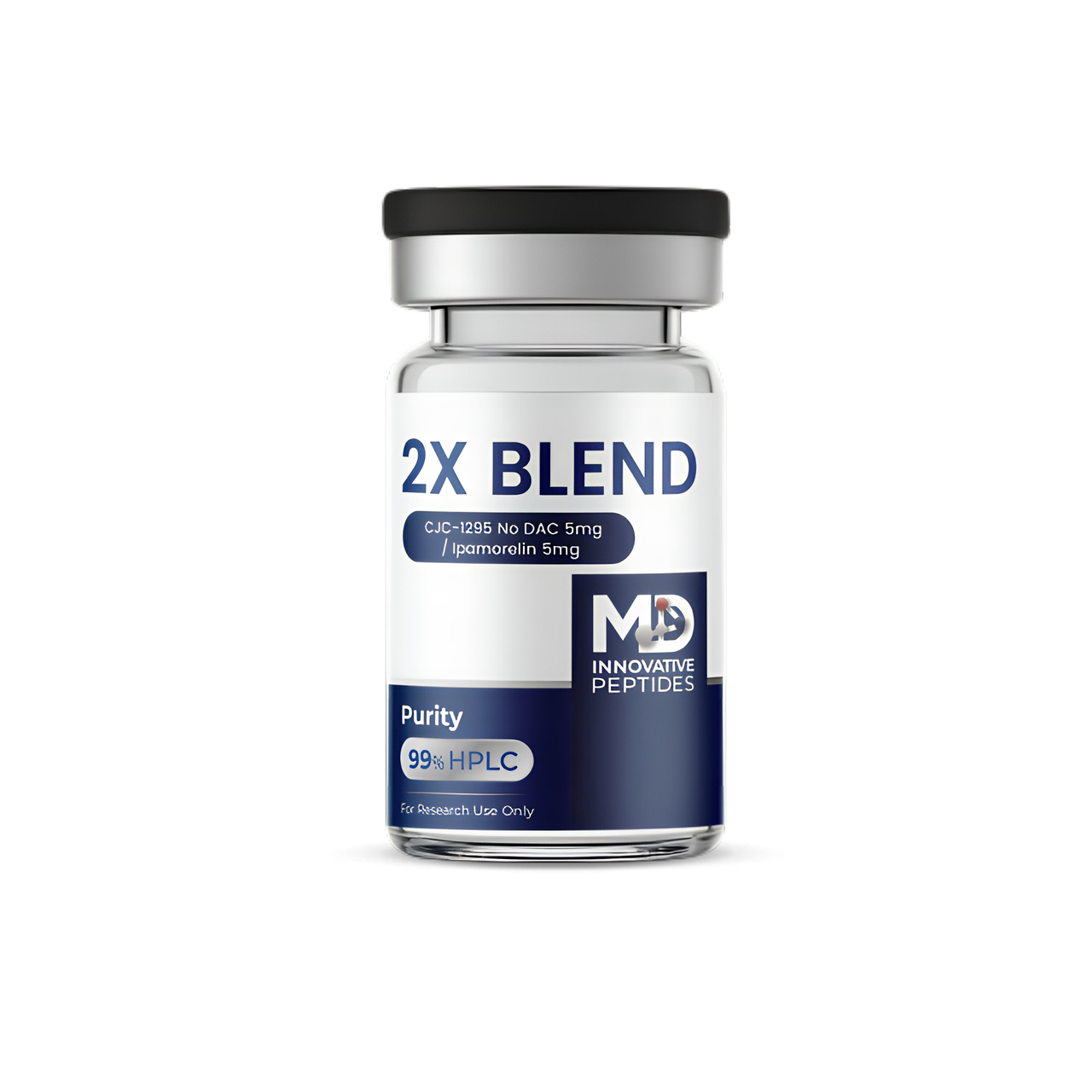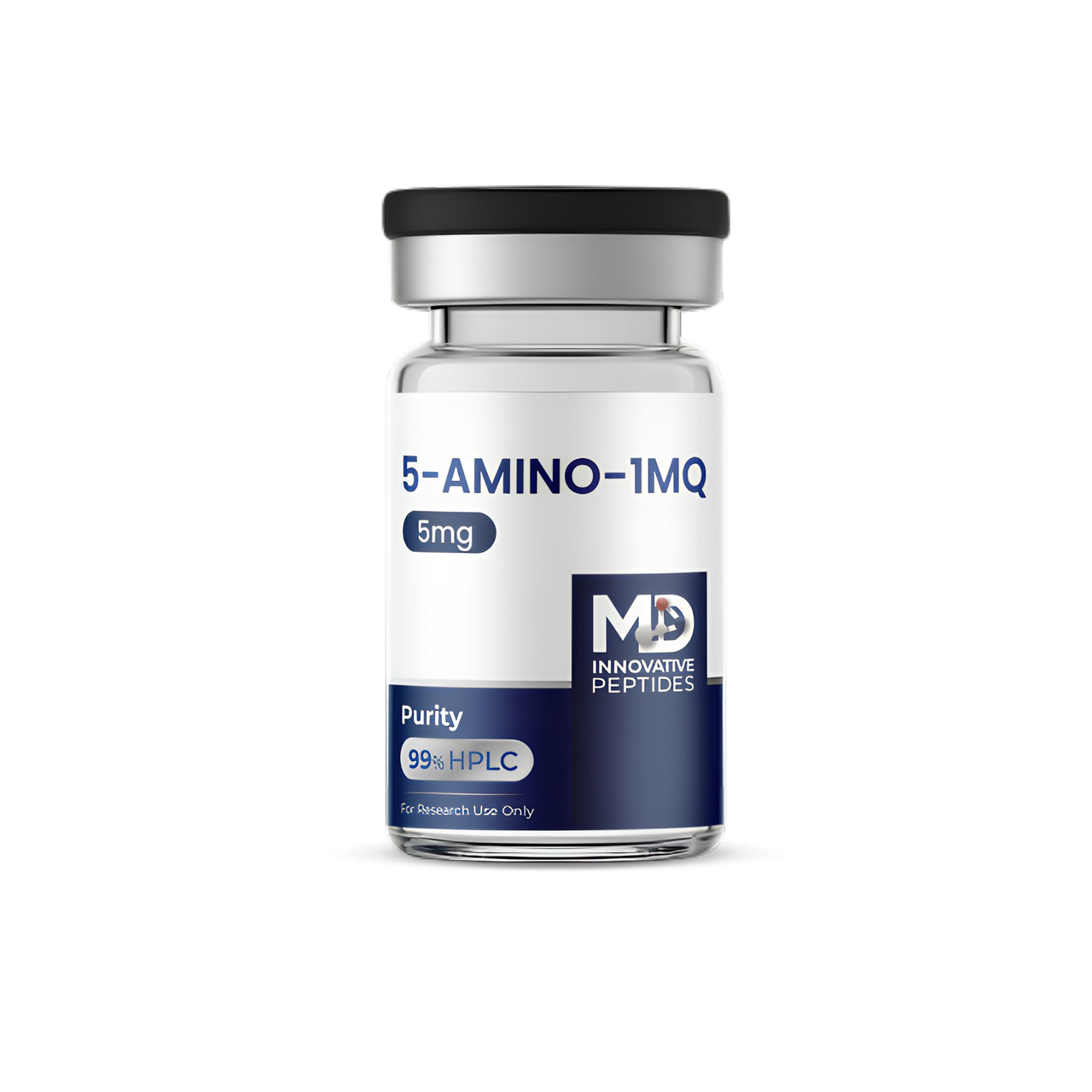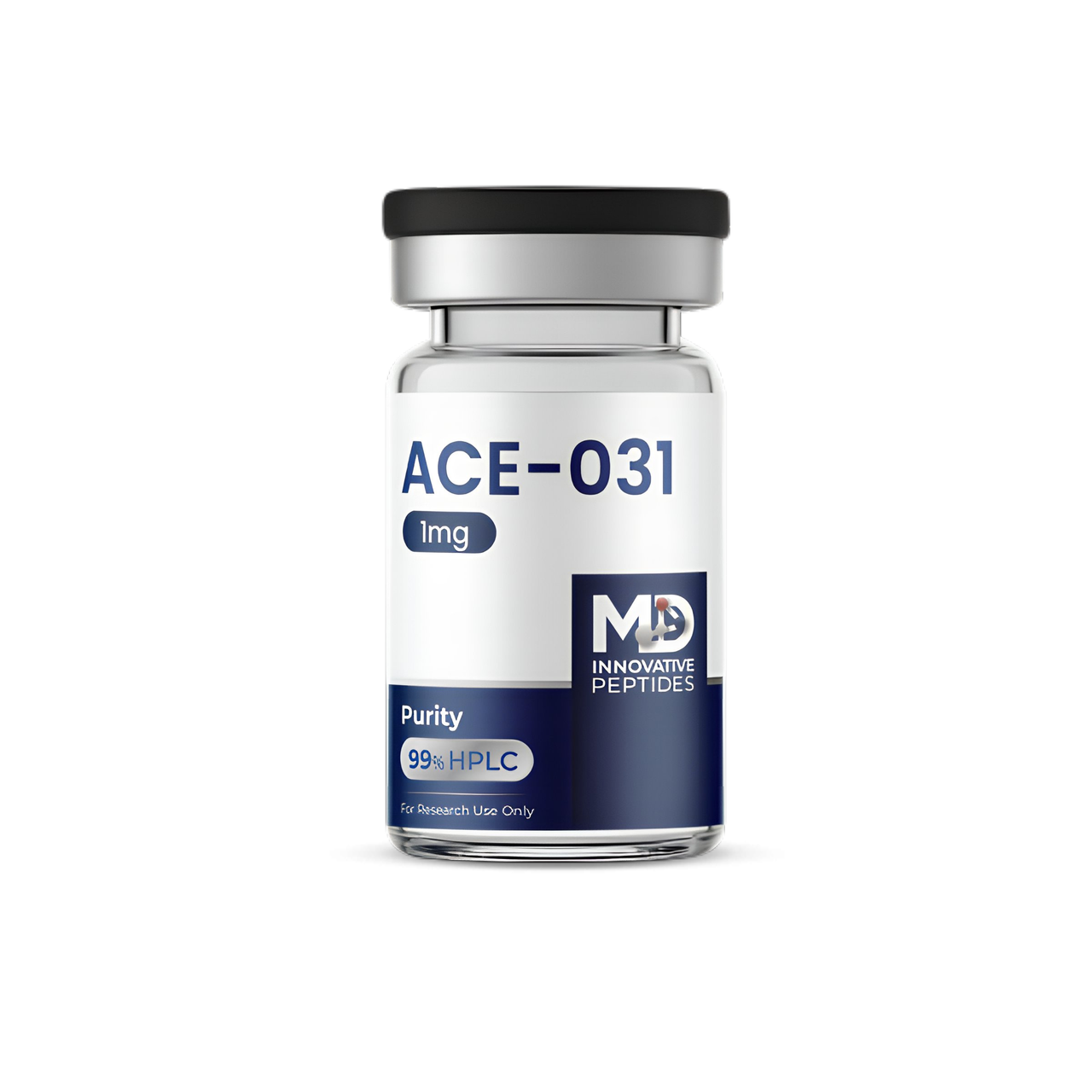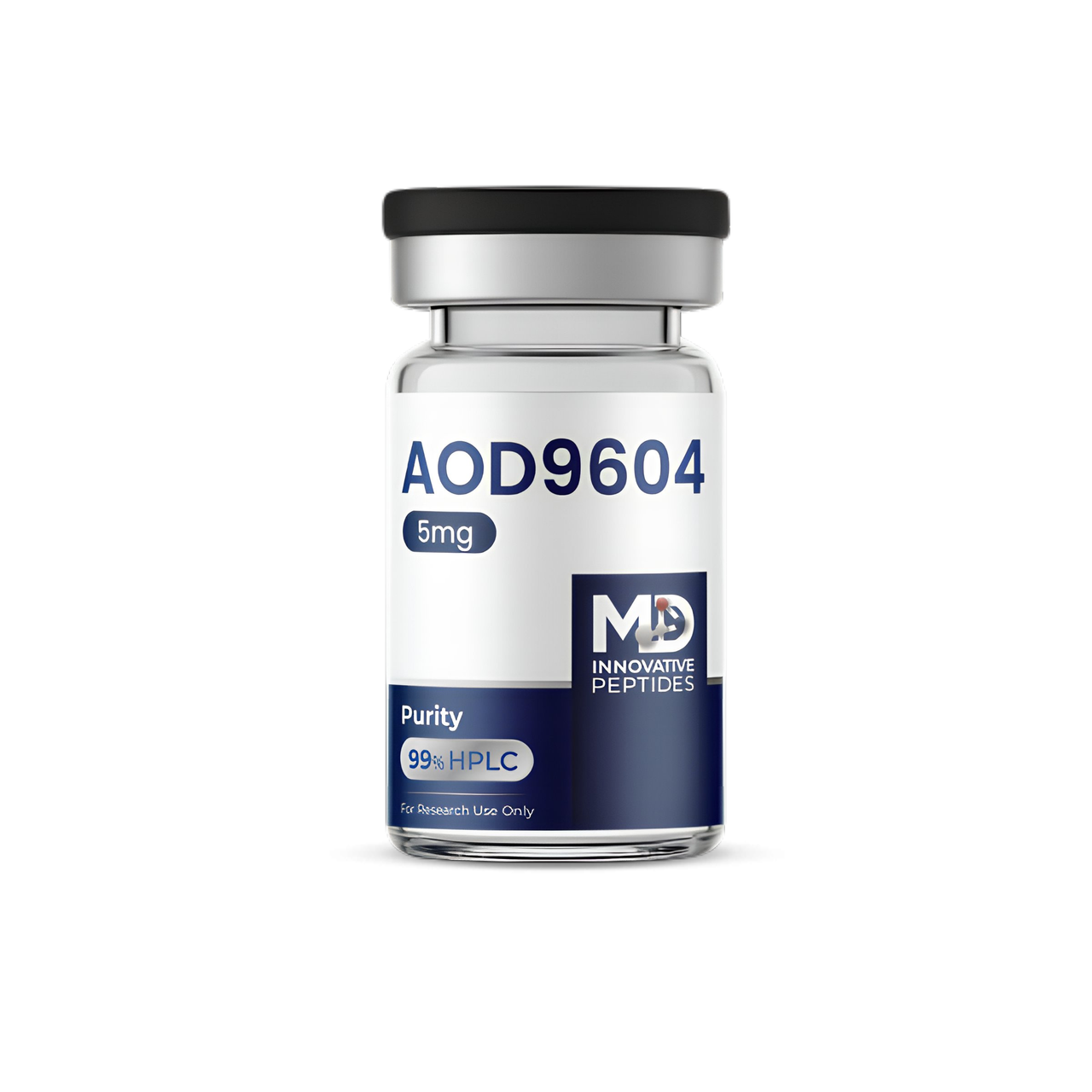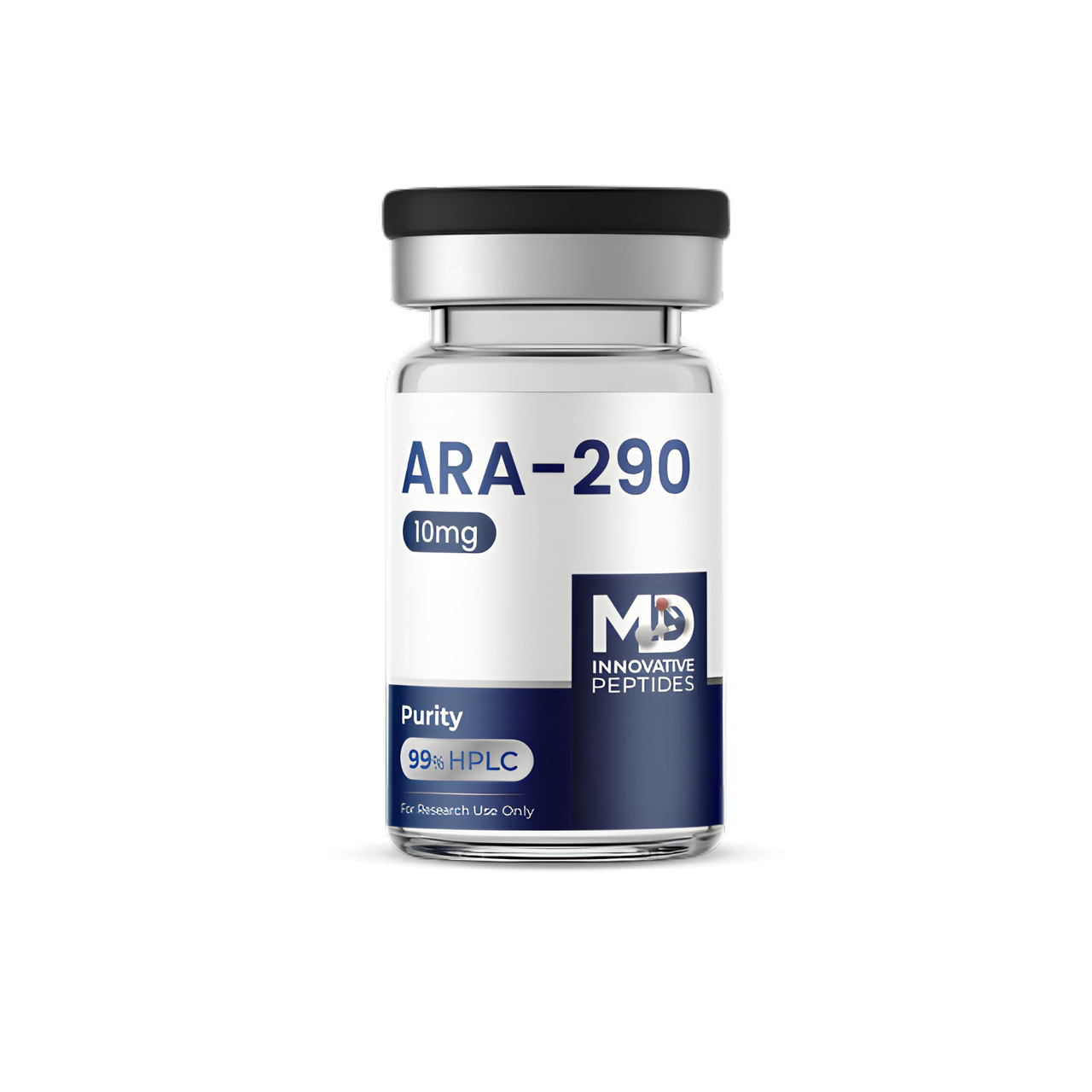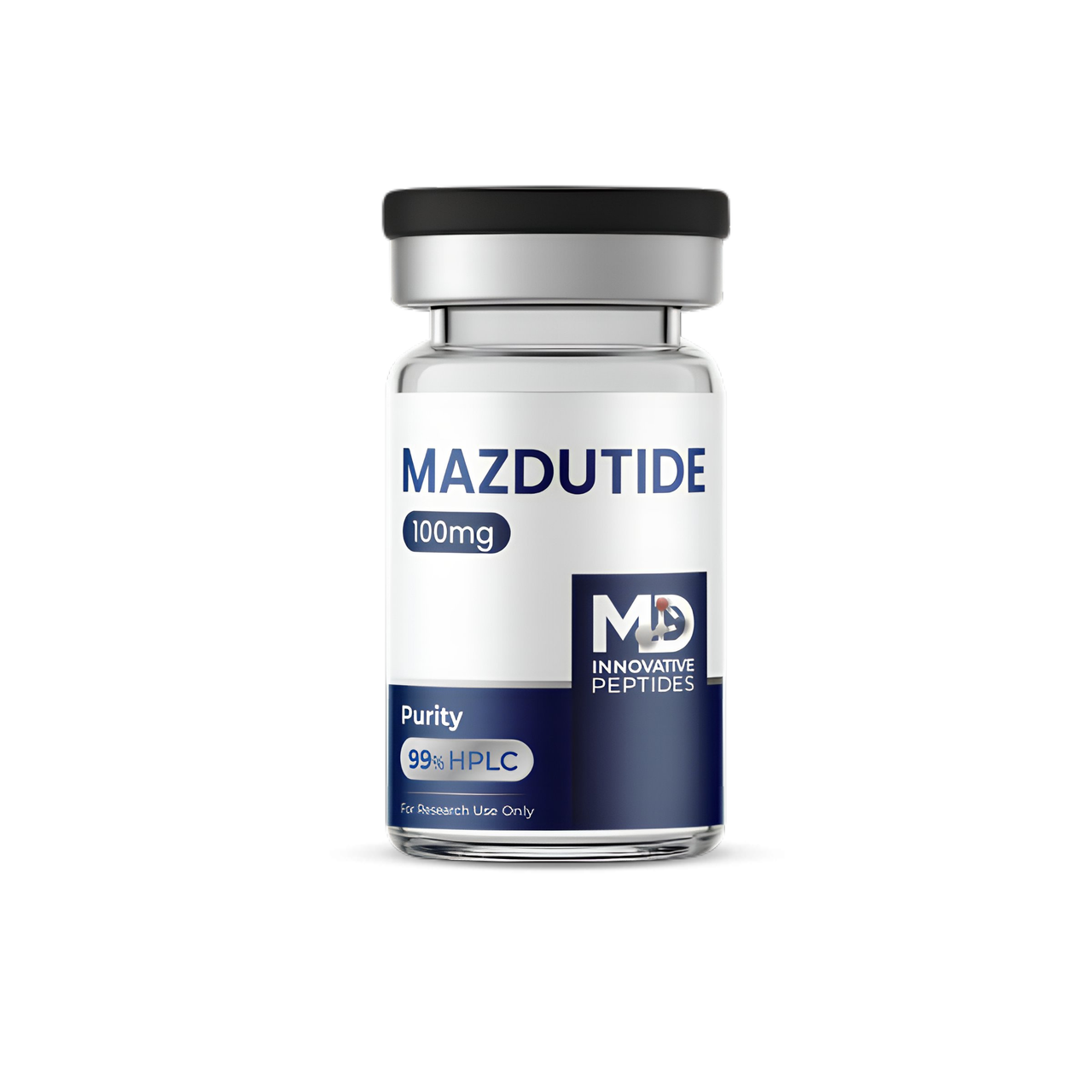
A procurement decision can affect an entire study long after a vial arrives at the laboratory. An unidentified lot, a generic certificate, or a result reported without a method can introduce uncertainty that no downstream protocol adjustment can fully correct. This research compound procurement guide is designed for qualified researchers who need materials supported by traceable, lot-specific quality records for in vitro work.
Research-use-only procurement is not a consumer purchase. It is a controlled documentation process that connects the requested material to its identity, analytical profile, storage requirements, and intended laboratory application. The strongest purchasing decisions begin before an order is placed.
Start With a Defined Research Requirement
Procurement should begin with the experimental requirement, not a product name alone. Record the compound identity, target quantity, acceptable purity threshold, salt or ester form where applicable, and the analytical attributes that matter to the study. If a project requires a peptide with a specified assay range or a compound screened for particular contaminants, state that requirement at the outset.
The intended use also determines how much documentation is necessary. Early method-development work may require a different level of supporting data than a comparative study, repeatability assessment, or research program involving multiple operators and time points. In every case, the material should be designated for laboratory research only and handled within the institution’s established safety, storage, and recordkeeping procedures.
Avoid relying on broad labels such as “laboratory grade” without asking what the supplier means by the term. A meaningful designation is supported by identifiable records: a batch number, test date, result values, analytical methods, and a certificate tied to the specific lot available for release.
The Research Compound Procurement Guide to Documentation
A Certificate of Analysis is not merely an attachment to an order. It is the document that allows a researcher to evaluate whether a specific batch meets the stated procurement criteria. Before purchase, confirm that the COA is batch-specific rather than a representative sample, historical example, or manufacturer template.
A useful COA should clearly identify the compound and lot or batch number. It should also state the testing performed, the reported results, the acceptance criteria when available, the date of analysis, and the laboratory or quality function responsible for review. For peptide materials, identity and purity testing are central, but the proper testing panel depends on the material and its research context.
Common records may include chromatographic purity results, mass confirmation, assay or content data, and screening for heavy metals, microbial contamination, yeast, and mold. These results should be read in context. A reported purity percentage is valuable only when it is connected to the tested batch and method. Likewise, a passing microbial statement carries more weight when the test panel, result, and lot reference are available for review.
Researchers should also distinguish between identity, purity, and quantity. Identity testing helps establish that the expected material is present. Purity testing estimates the proportion of the target material relative to detectable impurities under the stated method. Assay or quantity information addresses the amount of active material present. These are related controls, but they do not answer the same question.
Ask Whether the Records Match the Inventory
One of the most practical procurement checks is simple: does the documentation correspond to the material that will actually ship? A supplier may maintain an archive of certificates, but the relevant record is the COA for the released batch assigned to the order.
This is especially significant when researchers are planning repeat purchases. If continuity of lots is necessary, ask whether the same batch remains available and how lot changes are communicated. When a new lot is introduced, retain its COA with the project records and evaluate whether any reported differences affect the study’s established controls.
Publicly browsable COA access can help researchers review a supplier’s documentation practices before entering a purchasing relationship. It also reduces the risk of treating quality records as an afterthought once materials have already been received.
Evaluate the Supplier’s Quality Process
A single analytical result is useful, but procurement risk is reduced most effectively by understanding the process behind that result. Ask how incoming materials are controlled, whether inventory is quarantined before release, who reviews test data, and what conditions must be met before a batch becomes available for sale.
A documentation-first quality system generally includes qualified sourcing, incoming quarantine, independent batch testing, internal quality review, and batch release. Each stage addresses a different risk. Qualified sourcing establishes expectations before material enters inventory. Quarantine prevents unreviewed material from moving into fulfillment. Independent testing provides an analytical check. Internal review confirms that the record is complete and consistent. Batch release creates a defined decision point before shipment.
The details matter because a supplier can accurately state that products are tested while leaving unanswered questions about timing, scope, and release authority. Researchers do not need every proprietary operational detail, but they should be able to determine whether testing applies to each batch, whether records are accessible, and whether the batch was released through a documented process.
MD Innovative Peptides applies this sequence to research materials through qualified sourcing, quarantine, independent testing, internal review, and documented batch release. For qualified accounts, the relevant question remains the same: can the supplier provide evidence that the specific batch meets the stated standard?
Verify Access, Handling, and Research-Use Restrictions
Controlled access is part of responsible procurement. A verified researcher account model helps distinguish laboratory purchasers from consumer buyers and supports clearer communication around product availability, ordering, and research-use-only restrictions. It also provides an appropriate framework for sharing pricing and catalog access with qualified U.S.-based researchers and laboratories.
Before ordering, confirm that the purchaser is authorized by the laboratory or organization, that the shipping destination can receive the material, and that the intended work is consistent with the supplier’s stated restrictions. Research compounds designated exclusively for in vitro and laboratory research are not pharmaceuticals, compounded preparations, diagnostic products, or materials for human or veterinary administration.
Storage and receipt procedures deserve the same attention as purchase authorization. Review the supplier’s handling instructions, arrange for prompt receipt, and document the condition of the shipment on arrival. Record the product name, batch number, quantity received, receipt date, and storage location. If the material will be aliquoted or transferred between team members, maintain a chain of custody that preserves the lot reference.
Build Lot Traceability Into the Study Record
Procurement documentation has limited value if it becomes separated from the experiment. The batch number should travel with the material through receipt, inventory, preparation, and use. At a minimum, the study file should identify the supplier, product, batch, COA version or date, quantity received, storage conditions, and the experiments in which the batch was used.
This practice supports reproducibility when results are reviewed months later. If an unexpected result appears, the laboratory can determine whether it aligns with a method change, an operator change, a storage deviation, or a material lot difference. Without that connection, investigators may spend time troubleshooting variables that were never adequately documented.
For longer research programs, establish a lot-change procedure. It may be as simple as reviewing the incoming COA against the prior batch, updating the inventory record, and running an appropriate bridging control before relying on the new lot in a continuing experiment. The necessary rigor depends on the study, but the decision should be deliberate rather than incidental.
Make Procurement Decisions Before the Deadline
Urgent orders create avoidable compromises. When a study is waiting on material, buyers may accept incomplete records, overlook a mismatch in compound form, or fail to review a new lot before use. Domestic fulfillment can shorten transit time, but it does not replace documentation review or receiving controls.
A more reliable approach is to qualify suppliers and documentation standards before the experimental schedule becomes critical. Define what records are required, identify acceptable testing attributes, verify account eligibility, and maintain enough planning time for review. This gives the laboratory room to reject incomplete documentation without delaying the study.
The best procurement outcome is not simply a shipment delivered on time. It is a material decision that remains defensible when the study is repeated, audited internally, or examined alongside later results. Keep the COA, lot record, and receiving documentation connected to the work itself. That small discipline gives every experiment a clearer starting point.